Skip to content Skip to footer

D63

D63 Durian

A Timeless Penang Heritage Reclaimed In Every Savory Croom

Hailing from Penang, the D63 is a rare heritage cultivar registered with Malaysia’s Department of Agriculture (Jabatan Pertanian) on June 19, 1940, by grower Kum Kuah. Encased in a thick, dark green to brownish husk, this classic round fruit opens to reveal bright yellow, distinctly structured arils that deliver a rich, traditional taste. As an exclusive pre-WWII vintage, D63 offers a fleeting glimpse into Penang’s early durian history — a true collector’s gem for heritage fruit enthusiasts.

The Origin of D63 Durian

The D63 durian traces its origin to the island of Penang, long recognized as one of Malaysia’s historic heartlands for premium durian cultivation. It officially entered the national registry on June 19, 1940, when grower Kum Kuah submitted the cultivar to the Malaysian Department of Agriculture (Jabatan Pertanian). As one of the earliest pre-WWII heritage registrations, D63 reflects the early 20th-century tradition of Penang orchardists selectively breeding and preserving distinct local landraces.

Characteristics of D63 Durian

外观特征

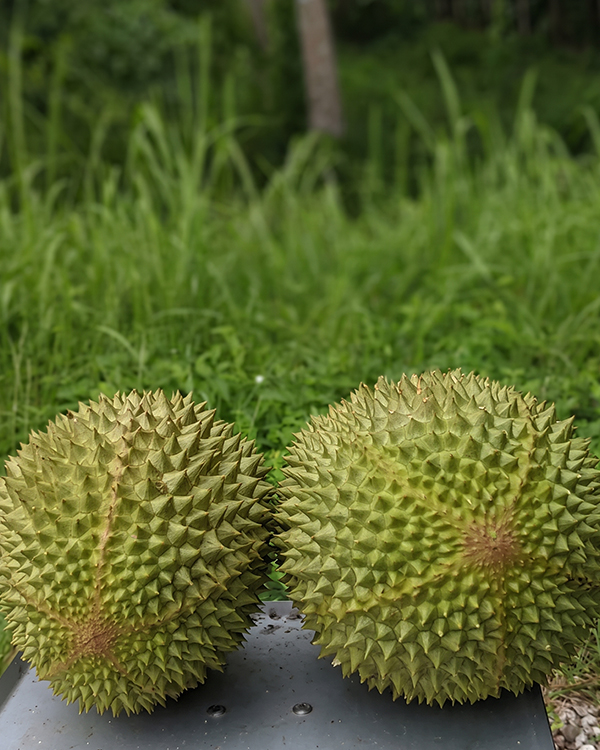
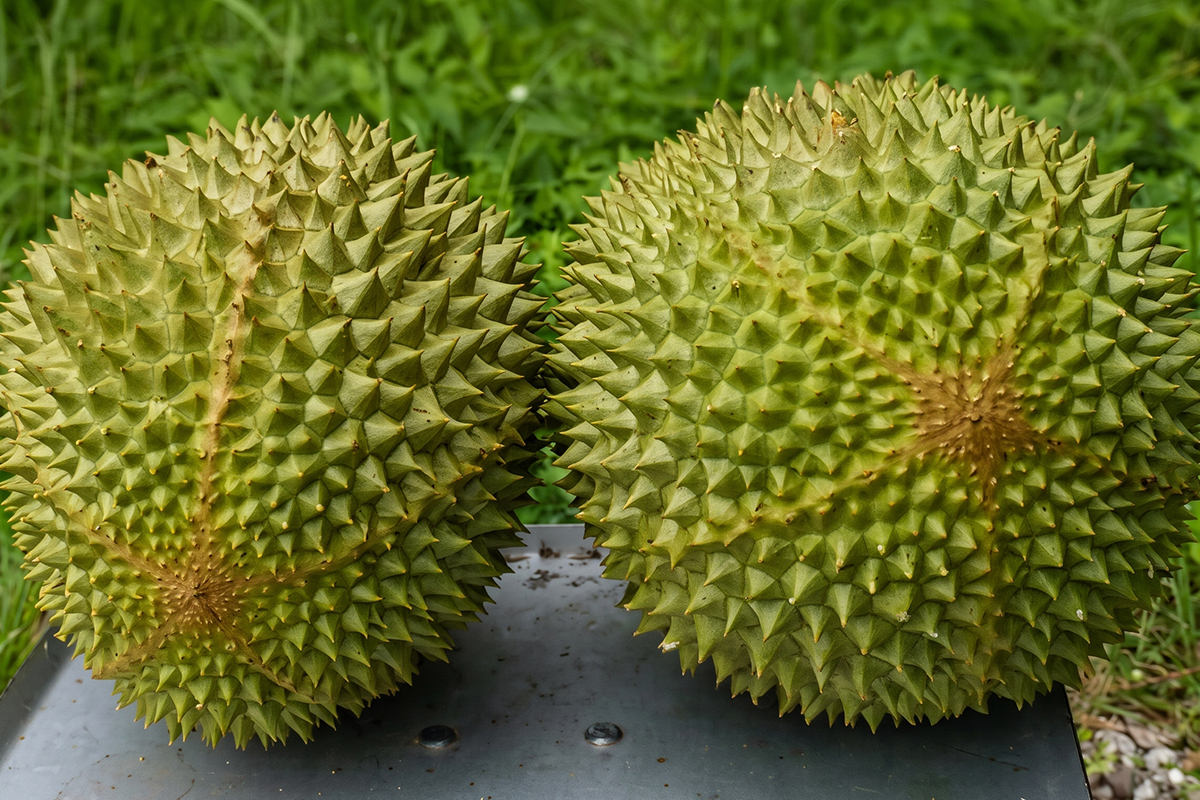
Visually distinct, the D63 durian features a classic, generally round shape protected by a thick, heavy husk that ranges in color from brownish-green to a deep, dark green. When cracked open, the fruit reveals bright yellow flesh arranged in neat, well-defined segments, typically bearing around two arils per locus for a clean and striking presentation.

香气

When cracked open, the D63 releases a warm, pleasantly mild aroma that captures the quintessential character of classic heritage durians. Unlike many intense modern hybrids with overwhelming, pungent scents, its fragrance balances a gentle, sweet floral perfume with subtle, earthy undertones, offering an inviting and balanced olfactory introduction to this vintage fruit.

口感与质地:

On the palate, the D63 delivers a deeply nostalgic flavor profile, blending a gentle, honeyed sweetness with a subtle, well-rounded bitter finish characteristic of Penang's classic heritage trees. Its texture is soft and smooth with a velvety, medium-thick aril that coats the tongue without feeling overly dense. Paired with its pleasant, balanced aroma—which leans into warm, sweet floral notes and muted earthy undertones rather than an aggressive, pungent sharpness—the tasting experience is gracefully refined, making it a delightful treat for those who appreciate old-school, vintage durian varieties.

Interesting Facts About D63 Durian

Health Benefits of D63

Beyond its rich heritage flavor, the D63 durian packs a wholesome nutritional profile typical of classic Malaysian landraces. Rich in essential dietary fiber, it supports smooth digestion and gut health, while its generous supply of potassium helps naturally regulate blood pressure and fluid balance. Additionally, the fruit is loaded with vitamin C and vital B-complex vitamins, which help strengthen the immune system and convert carbohydrates into sustained, daily energy. Its bright yellow arils also contain natural antioxidants that combat oxidative stress, making this vintage variety a nourishing treat when enjoyed in moderation.

What's The Best Time for D63 Durian?

To capture the D63 durian at its absolute peak, timing your tasting around Penang's primary durian season—typically running from late May through July—is key. Because D63 is a vintage, drop-ripe cultivar, the best time to enjoy it is within 6 to 12 hours after the fruit naturally falls from the tree. Eating it fresh during the height of the mid-year harvest ensures the arils reach their ideal balance of smooth texture, rich sweetness, and subtle bitter undertones before the delicate flavor profile begins to ferment.

种植与收割

生长条件

The D63 durian grows best in Penang’s tropical climate, thriving in warm, humid conditions with consistent rainfall and temperatures around 24–32°C. It prefers deep, well-drained, fertile soils that are slightly acidic to neutral, along with full sun exposure to support healthy flowering and fruit development. Trees should be spaced about 10–12 meters apart to ensure good airflow and reduce disease risk. Regular watering during dry periods, combined with proper fertilization, pruning, and pest management, helps D63 durians produce high-quality fruits with their signature smooth texture and balanced, nostalgic flavor.

种植过程

The cultivation process for D63 relies on traditional propagation techniques like grafting or budding onto sturdy rootstocks to preserve its true-to-type heritage traits. Orchards require consistent care, including organic mulching to retain soil moisture and targeted NPK fertilization throughout the flowering and fruit-set stages. As a classic vintage cultivar, D63 fruits are left to mature naturally on the tree and are harvested using the traditional tree-drop method when fully ripe, ensuring the arils achieve their optimal creamy consistency and signature aroma.

收割方法

D101 榴莲在果实自然脱落时采摘,这表明它们已经成熟,可以食用了。为了保持新鲜度,确保消费者品尝到风味和口感最佳的榴莲,我们会在清晨采摘。

烹饪用途

传统吃法

In traditional Malaysian cuisine, the D63 durian is deeply prized for its smooth texture and old-school, balanced flavor profile. Because its arils offer a harmonious mix of honeyed sweetness and a gentle bitter finish, it serves as an excellent base for classic local preserves like pengat durian (durian cooked in sweet coconut milk and gula melaka) and tempoyak (fermented durian paste). Additionally, it is often enjoyed simply paired alongside steamed glutinous rice (pulut) drizzled with warm coconut milk, where the natural, rich creaminess of the heritage fruit acts as the centerpiece of the traditional dessert.

创新烹饪方法

In modern culinary applications, chefs and pastry makers leverage the rich, distinct character of the D63 durian to create elevated fusion treats and contemporary desserts. Its velvety texture and nuanced sweet-bitter notes fold effortlessly into delicate French pastries like durian choux puffs, mille-feuille cakes, and artisanal gelatos. The subtle, non-overpowering aroma of this heritage cultivar also makes it a favorite for crafting modern durian burnt cheesecakes, mousse cups, and delicate mooncakes, where its smooth arils impart a sophisticated, gourmet depth without masking other fine ingredients.
Dury Dury Half Durian

总结

Whether you are a seasoned fruit connoisseur or a curious enthusiast exploring Malaysia’s rich pomological history, the D63 durian offers an authentic taste of Penang’s pre-WWII heritage. With its visually striking golden arils, smooth velvety texture, and gracefully balanced sweet-bitter flavor profile, this rare vintage cultivar remains a true collector’s gem. Sampling a D63 is more than just enjoying a delicious treat—it is a rare opportunity to savor a living piece of Malaysian agricultural history that has endured for nearly a century.

Dury Dury Half Durian

常见问题

D63 stands out as a rare, pre-WWII vintage cultivar from Penang with a long-standing historical pedigree. Unlike many modern hybrids that prioritize overwhelming pungency or extreme bitterness, D63 is celebrated for its balanced, old-school flavor profile—offering a gentle honeyed sweetness with a subtle bitter finish. Visually, its bright yellow arils, thick dark green to brownish husk, and low clove count per segment make it easily distinguishable to heritage fruit enthusiasts.

The best time to source fresh D63 durians is during Penang’s primary mid-year harvest season, which typically runs from late May through July. Because D63 is a drop-ripe heritage variety, it is best enjoyed within 6 to 12 hours after falling naturally from the tree to experience its peak creamy texture and optimal balance of flavors before fermentation sets in.

D63 durians are rich in essential nutrients, offering high levels of dietary fiber to aid digestion, potassium to help regulate blood pressure, and vitamin C to boost the immune system. They also contain B-complex vitamins that assist in energy conversion, alongside natural antioxidants within their golden arils that combat oxidative stress.

Thanks to its smooth texture and balanced sweet-bitter profile, D63 is versatile in both traditional and modern cooking. Traditionally, it is ideal for making pengat durian, tempoyak, or serving simply alongside warm glutinous rice and coconut milk. In modern cuisine, its refined aroma and creamy arils make it a perfect addition to French pastries, burnt cheesecakes, artisanal gelatos, and delicate mooncakes.

The D63 durian originates from the island of Penang, Malaysia. It was officially registered with the Malaysian Department of Agriculture (Jabatan Pertanian) on May 19, 1940, by a grower named Kum Kuah.

其他榴莲品种

Dury Dury one over four Durian