Cheong Peng
Cheong Peng Durian
The Pride of Malaysia's Orchards
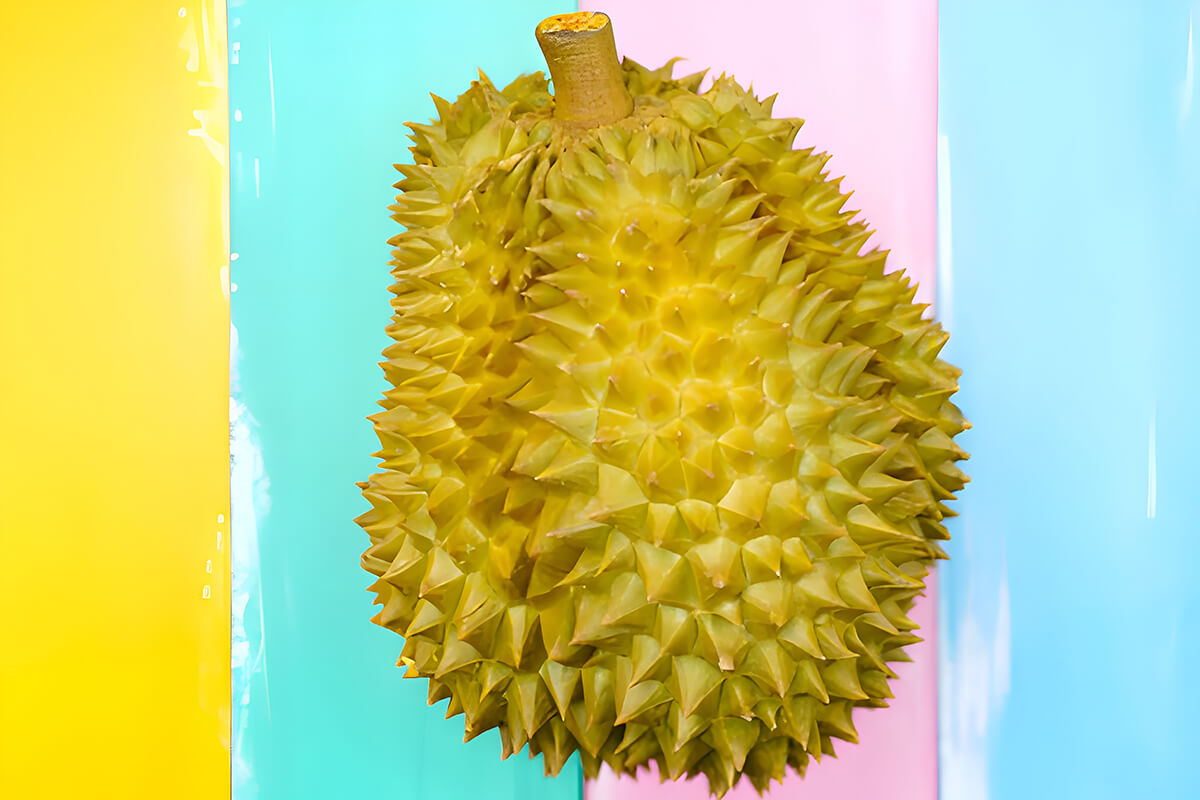
D158, or more commonly known as the Cheong Peng, Ganja, or Gan Yau durians, is one of the best choices for durian amongst Malaysians. WIth its creamy texture and a balance of flavour between sweet and sour, D158 provides the perfect mix of flavour compared to its siblings who possess stronger flavours. While it was believed to have originated from Thailand, it is now officially registered and cultivated in Malaysia, specifically from Kedah, this durian falls into the medium size range, typically weighing between 1.5 to 3kg with an oval shape and evenly spaced conical spikes.
The Origin of D158 Durian
D158 has had a very rich history over the years in Malaysia. The durian was registered with the Malaysian Department of Agriculture in 1987 in Kedah, and since then, it has gained a reputation as one of Malaysia’s ‘famous durian species’, alongside the likes of Sultan and Musang King. D158 started to gain immense popularity amongst durian enthusiasts starting from the early 2000s, mainly for its balanced flavour between sweet and sour that provides a unique taste. Since then, it’s gone by many names, including Cheong Peng, Ganja, or Gan Yau.
Characteristics of D158 Cheong Peng Durian
外观特征
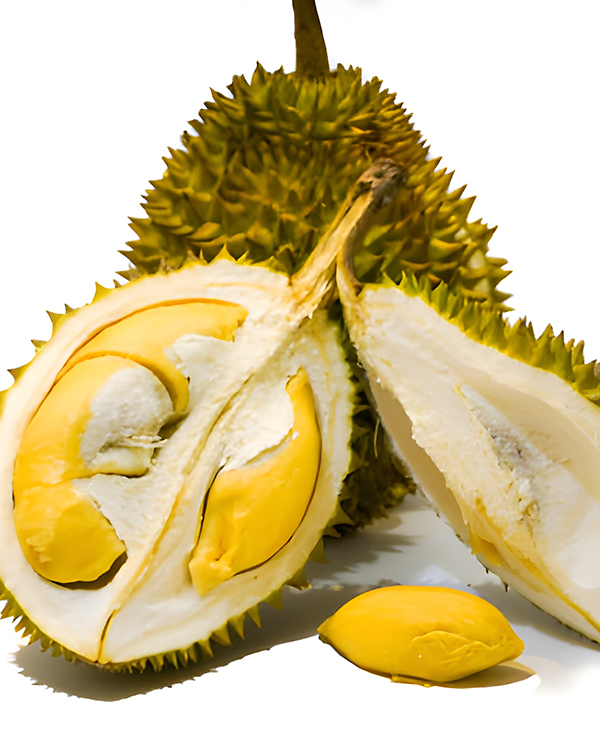
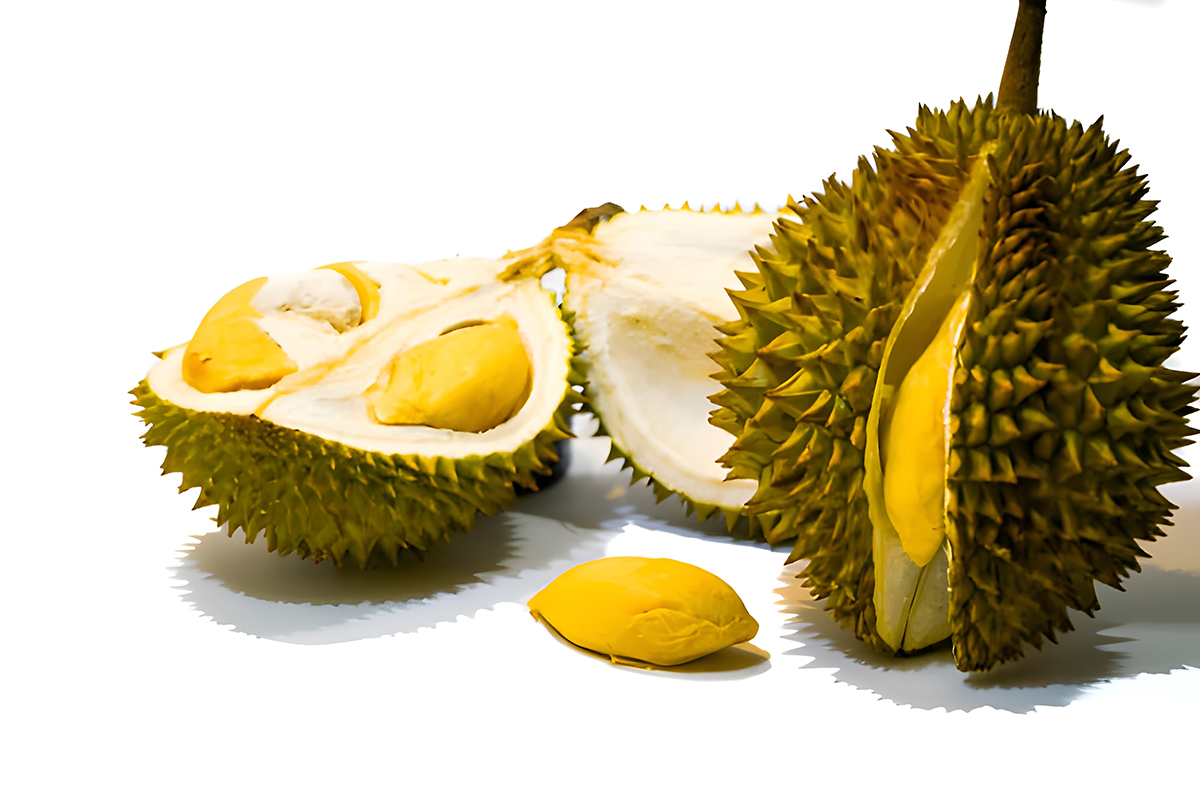
The appearance of the D158 durian is generally round, or slightly oval, but it retains a symmetrical shape throughout. The spikes of the durian are cone-shaped, and are evenly spread over the husk of the durian. It is a medium-sized durian, weighing between 1.5 to 3 kilograms, and when opened, its flesh is a bright golden-yellow color.
香气
The aroma of D158 has been described to be pungent, but in a way that it is inviting, and isn’t as strong in odor as some of its counterparts, such as the Musang King. With a balanced aroma, D158 is an appealing durian in terms of smell for many.
口感与质地:
The taste and texture of the Cheong Peng Durian is the attraction for durian enthusiasts, offering a creamy smooth, and mousse-like texture when eaten. The flavour has been well known for its balance, with a rich and sweet taste while providing an underlying accent of bitterness. Despite this, the flavours have never clashed or have been overpowering, compared to the sharp tastes of some other durians, making it a great durian choice for those who prefer milder flavours.
Interesting Facts About D158
Health Benefits of D158
In addition to being tasty, the D158 Cheong Peng durian has many health advantages. Its golden flesh is high in antioxidants that boost immunity and slow down aging, potassium for heart health, and fiber for improved digestion. In addition, it offers vitamin C and B vitamins for healthy skin and metabolism, as well as natural energy from nutritious carbs. When consumed in moderation, Cheong Peng is a true blend of taste and wellness because of its tryptophan level, which may even improve mood and sleep.
What’s The Best Time For D158 Durian?
The primary durian season, which often lasts from June to August, is when you can usually locate D158 Cheong Peng durian in Malaysia. June to August is when it's most abundant and fresh, although some areas may also give smaller secondary harvests or "off-season" crops, so you might occasionally see it outside of those months.
种植与收割
生长条件
To encourage flowering, the D158 Cheong Peng durian needs a year-round warm environment of about 24°C to 32°C with 1,500 to 2,500 mm of annual rainfall in addition to a dry spell of 1–2 months. It thrives in deep, well-drained loamy or sandy-clay soils with a pH of 5.5–6.5. To allow the canopy to expand, plants should be spaced at least 10–12 meters apart. It works best at heights below 800 meters and requires full sun exposure.
种植过程
The cultivation of D158 Cheong Peng durian begins with planting grafted seedlings in well-drained, nutrient-rich soil at 10-12 meters spacing. Young trees need regular watering, pruning, and balanced fertilization to develop strong canopies. A 4-6 week dry spell is crucial to trigger flowering, after which natural pollinators like bats and insects aid fruit set. With proper pest and disease management, fruits mature in about 90-120 days and are harvested when fully ripe, either by natural drop or careful cutting of the stalk.
收割方法
葫芦榴莲的采收时机非常关键,果实需在自然掉落后才能采收,这表示它已经完全成熟。采摘时,果农会使用软垫或网兜接住榴莲,以防损伤。只有最优质的果实才能上市,确保消费者能享受到最好的榴莲体验。
烹饪用途
传统吃法
Thanks to its sweet flavour and creamy consistency, D158 durians can be used in a wide range of dishes. It is particularly popular when used in making cakes, kuih, and cold desserts like ice cream and cendol.
创新烹饪方法
As the flavour doesn’t tend to be that strong, D158 has seen much use in other forms of culinary expressions as well. It can be made into dodol, a sticky, chewy toffee-like sweet, as well as tempoyak, which is fermented durian flesh commonly used as components in curris or sambal.
总结
Among Malaysia’s many durian kinds, the D158 Cheong Peng durian is a genuine jewel, valued for its golden flesh, creamy texture, and flavor that is just right. This durian embodies the rich legacy of Malaysian orchards and the attention to detail that goes into creating fruit of the highest caliber, from its origins and cultivation to its use in traditional cuisines. D158 continues to win over durian enthusiasts, solidifying its place as a gastronomic treat and cultural treasure, whether it is consumed fresh or as a component of regional specialties.
常见问题
What makes D17 Lao Tai Po durian stand out from its other durian counterparts?
D17 Lao Tai Po is prized for its creamy, custard-like texture and balanced bittersweet flavor. Unlike stronger varieties such as Musang King, it has a more moderate aroma, making it appealing to both seasoned durian lovers and newcomers.
When is the best time to find D17 Lao Tai Po durians?
The best time to enjoy D17 Lao Tai Po is during Malaysia’s durian seasons, typically from June to August and November to January, with Johor orchards often producing them early in the harvest.
What are the health benefits of consuming D17 Lao Tai Po durians?
D17 Lao Tai Po durians are nutrient-rich, providing natural energy, fiber for digestion, vitamin C for immunity, potassium for heart health, and antioxidants for healthy aging. They also contain tryptophan, which can help improve mood and sleep quality.
How do I use D158 Cheong Peng durians in culinary dishes?
D158 Cheong Peng’s rich, flavorful flesh can be enjoyed fresh or used in desserts like durian puffs, cakes, ice cream, and mooncakes. Its creamy texture also makes it suitable for blending into smoothies or adding to traditional Malaysian sweets.
Where does the D158 Cheong Peng durian originate from?
The D158 Cheong Peng durian originates from Penang, Malaysia, and is recognized as one of the registered clones celebrated for its distinct taste and quality.