Skip to content Skip to footer

D8

D8 Durian

A Vintage Taste Of Malaysia's Earliest Heritage

Registered back in 1934 as one of Malaysia’s pioneer official cultivars, D8 is a true living relic of the country’s rich durian heritage. Hailing from Kuala Lumpur, this vintage clone offers a nostalgic glimpse into the traditional flavor profiles enjoyed generations ago. With its classic pale flesh and light, gently sweet finish, tasting a D8 is less about chasing modern intensity and more about experiencing an authentic piece of local agricultural history.

The Origin of D8 Durian

The story of D8 begins in 1934 in the heart of Kuala Lumpur, long before the age of modern commercial hybrids like Musang King or Black Thorn. As one of the earliest entries officially cataloged in the Malaysian Department of Agriculture’s register, D8 was selected during a landmark era when botanists first began identifying and preserving the nation’s finest native trees. Rooted in the rich soil of the capital region, it stands as a founding pillar of Malaysia’s structured durian history.

Characteristics of D8 Durian

外觀

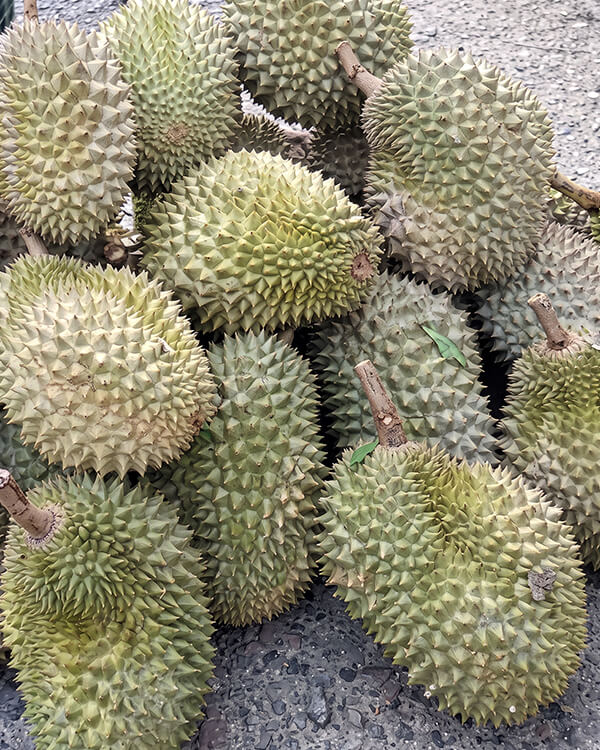
Visually, the D8 is characterized by its elongated, elliptical shape and noticeably large frame. Encased in a deep, classic green husk, the fruit carries the rugged aesthetic of a traditional heirloom variety. When split open, it reveals distinct, slender carpels housing pale white to light-cream arils. While the flesh layer is relatively thin compared to modern heavy-yield hybrids, its delicate appearance and clean, uniform color reflect the pure, unadulterated charm of an authentic early-era cultivar.

香氣

On the nose, D8 delivers a wonderfully subtle and refreshing fragrance, steering clear of the heavy, pungent stench often associated with modern high-potency hybrids. Its scent profile is clean and lightly grassy, carrying soft notes of sweet field floral and raw honey. It is an approachable, elegant aroma that gently previews the mild, classic village flavor waiting inside.

口感與味道

On the palate, D8 presents a remarkably balanced profile, delivering a harmonized mix of clean sweetness and a soft, lingering bitterness in almost equal measure. Its flesh offers a moderately creamy texture that feels smooth and velvety without being overly heavy or dense. Unfolding with subtle, custard-like undertones and a gentle, rounded finish, D8 provides a well-rounded and nostalgic tasting experience that captures the classic complexity of Malaysia's vintage heirloom clones.

Interesting Facts About D8 Durian

Health Benefits of D8

Beyond its vintage flavor, D8 packs a nutritious punch as a rich source of natural energy, dietary fiber, and essential vitamins like Vitamin C and B-complex. Packed with antioxidants and essential minerals such as potassium, it helps support heart health, aids in digestion, and boosts overall immune function. Its balanced sweetness and wholesome profile make it a satisfying, nutrient-dense treat that nourishes the body while honoring traditional heritage.

What's The Best Time for D8 Durian?

To experience D8 at its absolute peak, look for it during Malaysia's main durian harvest from June to August, with peak availability typically hitting in July. Because D8 is a vintage, native cultivar without the staggered greenhouse or mass-commercial production of modern hybrids, fresh drops are strictly seasonal. Catching it mid-season ensures you taste the flesh at its most velvety, with that signature balance of sweetness and subtle bitterness fully developed.

栽培與收割

生長環境

The D8 durian grows best in Malaysia’s tropical climate, thriving in warm, humid conditions with consistent rainfall and temperatures around 24-32°C. Originating from Kuala Lumpur, this vintage cultivar prefers deep, well-drained, fertile soils that are slightly acidic to neutral, alongside full sun exposure to support healthy canopy spread and fruit set. Because D8 trees naturally grow into robust, vigorous structures, proper spacing of 10–12 meters is recommended to encourage optimal airflow and minimize disease risk. Regular irrigation during dry spells, paired with organic fertilization and routine canopy management, ensures these heritage trees sustain high productivity and develop their characteristic bittersweet, moderately creamy flesh.

栽種過程

Cultivating D8 begins with careful propagation, typically using grafting techniques on hardy rootstocks to preserve its true 1934 genetic traits. During the early years, young trees require consistent weed control, balanced NPK fertilization, and steady hydration to build a strong main trunk. As the tree matures, selective pruning helps shape a balanced structure, improving sunlight penetration to lower fruiting branches. Integrated pest and disease monitoring keeps common threats like stem borers and patch cankers at bay. Following flowering, fruits naturally mature over 110-120 days, ripening until they naturally drop at full maturity to deliver D8’s signature balance of sweet and bitter notes.

收割方法

紅肉榴槤喺自然成熟墜地後即進行收割,確保果實達到最佳風味與質感。榴槤通常喺清晨收集,以保留新鮮度,並盡快送達市場或顧客手中。

烹飪用途

傳統菜式

With its classic sweetness and balanced, gentle bitterness, D8 is a traditional favorite for classic Southeast Asian desserts and heritage preserves. Its moderately creamy flesh blends seamlessly into traditional recipes without overpowering other ingredients, making it an ideal choice for Pengat Durian (durian cooked in sweet coconut milk and gula melaka), rich durian dodol, or traditional Serawa Durian served alongside sticky rice. Additionally, its authentic flavor profile lends itself wonderfully to fermented Tempoyak, carrying on a time-honored culinary tradition enjoyed across generations.

現代創新料理

In the realm of contemporary gastronomy, D8's harmonized sweet-and-bitter profile makes it an exceptional choice for refined, artisanal pastry applications. Modern pastry chefs favor its moderately creamy texture for folding into delicate Durian Mille-Crépe Layer Cakes, Chilled Cream Puffs, and velvety Italian-Style Gelatos. Because its natural bitterness cuts through rich dairy without needing excess added sugar, D8 seamlessly bridges the gap between traditional tropical fruit and sophisticated, modern fusion desserts.
Dury Dury Half Durian

結論

More than just an early registered clone, D8 stands as a remarkable testament to the beginnings of Malaysia’s rich durian heritage. From its 1934 Kuala Lumpur roots to its signature balance of equal sweetness and subtle bitterness, this rare vintage cultivar offers a taste experience that honors pure agricultural tradition. Whether enjoyed fresh off the tree or woven into modern culinary creations, D8 remains a cherished piece of history — a must-try classic for true durian connoisseurs seeking to savor the foundational roots of Malaysia’s favorite fruit.

Dury Dury Half Durian

常见问题

D8 stands out as a living piece of Malaysian agricultural history. Unlike modern commercial clones bred heavily for intense sweetness or thick, deep-golden flesh, D8 offers a true vintage profile. It features an elegant, equal balance of sweet and bitter notes wrapped in a moderately creamy, velvety flesh, accompanied by a clean, subtle aroma. Its large green shell, pale aril, and nostalgic durian kampung character make it a unique discovery for traditionalists and fruit connoisseurs alike.

The prime window to enjoy fresh D8 durians is during Malaysia’s main mid-year harvest season, running from June to August, with peak quality usually arriving in July. Because D8 is an heirloom clone preserved primarily in legacy orchards rather than mass-produced plantations, fresh fruit is strictly seasonal and best enjoyed on the day it drops from the tree.

D8 is a nutrient-dense fruit packed with natural energy, dietary fiber, essential minerals like potassium, and key vitamins including Vitamin C and B-complex. Its high fiber content supports healthy digestion, while potassium helps maintain healthy blood pressure levels. Additionally, its natural antioxidants help strengthen the immune system and protect against cellular stress, making it a wholesome and invigorating treat.

Thanks to its smooth texture and balanced bittersweet profile, D8 is remarkably versatile in the kitchen:

  • Traditional Dishes: Its moderately creamy flesh renders beautifully when simmered into coconut desserts like Pengat Durian or Serawa, and its authentic flavor structure makes it fantastic for traditional fermented Tempoyak.
  • Modern Innovations: Pastry chefs favor D8 for artisanal desserts such as Durian Mille-Crépe Layer Cakes, Gelato, and Burnt Basque Cheesecakes because its subtle bitterness naturally cuts through dairy without needing excess added sugar.

D8 originates from Kuala Lumpur, Malaysia. It was officially cataloged and registered by the Malaysian Department of Agriculture (Jabatan Pertanian) in 1934, making it one of the very first documented native clones in the nation’s history.

其他榴槤品種

Dury Dury one over four Durian