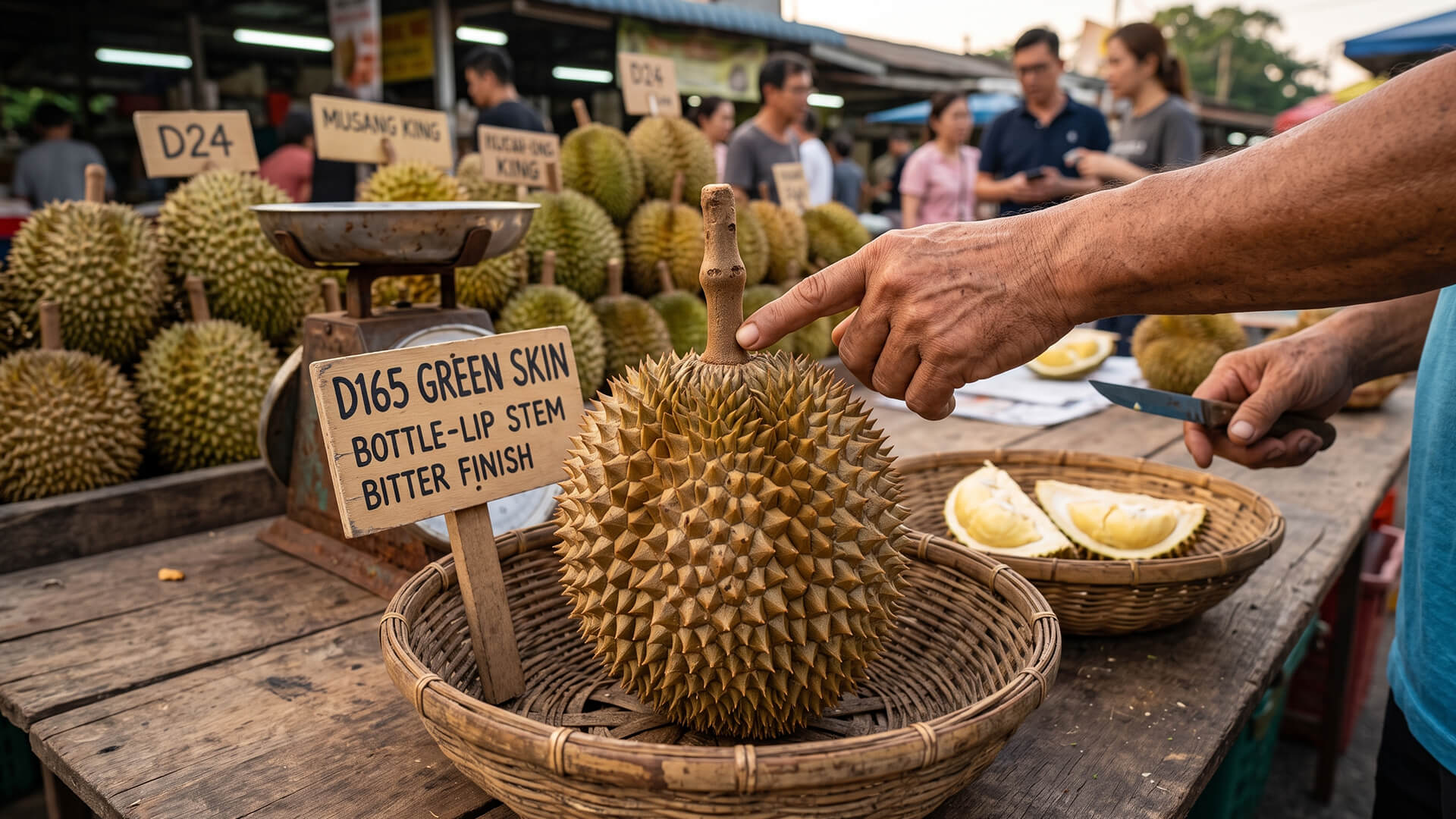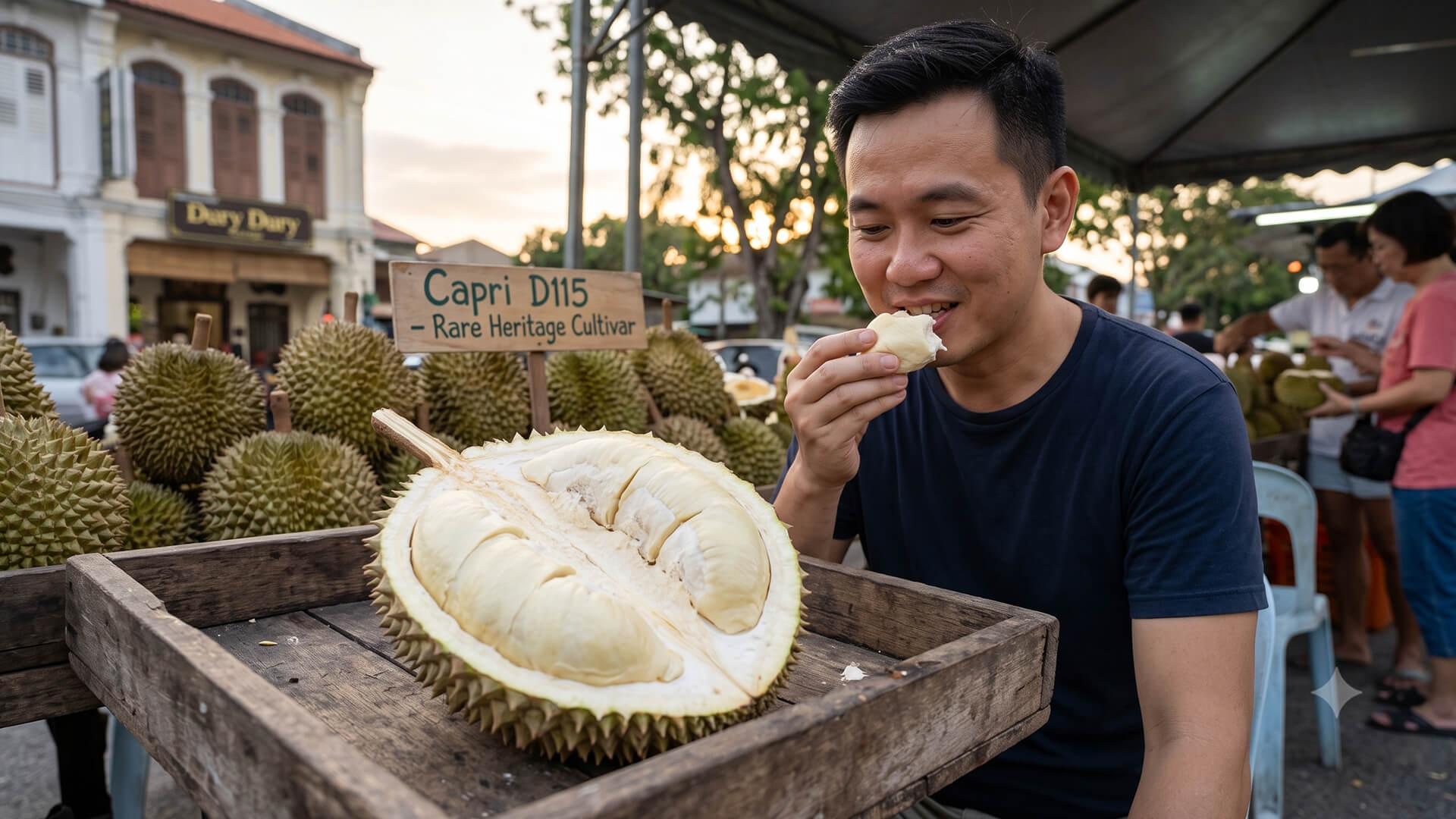
Despite the popularity of durian, there are still many things that durian lovers believe about the fruit, even if they are just myths. To some, they believe having certain food together with durian is a lethal combination, while others would say that durian is the cause of coughs and colds due to its ‘heaty’ nature. As such, it is important for anyone looking to brave the ‘King of Fruits’ to understand what are just myths to what is true for this cultural legend.
Common Durian Myths
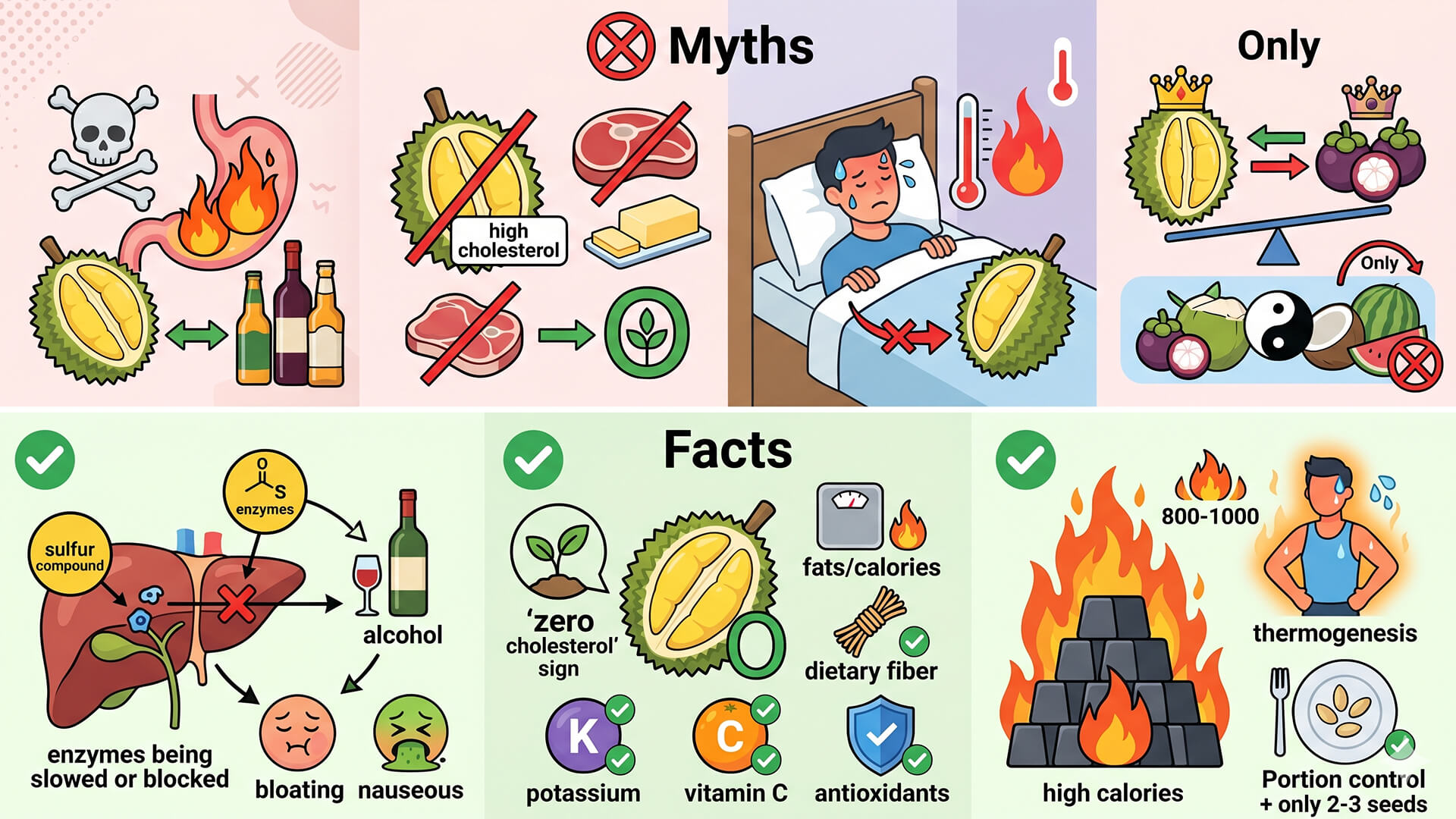
Myth 1: Durian and Alcohol Together Are Lethal
This is one of the most famous myths when it comes to durian, and has become engrained within Asian culture. This myth suggests that the mixture of durian and alcohol will cause a violent reaction within your stomach, which will thus prove fatal. While there is a reaction between alcohol and durian in the human body, it's not what is typically believed.
Myth 2: Durian is Loaded with Cholesterol
Due to the fruit's creamy texture and rich, sweet taste, durians are automatically classified as high cholesterol foods. It has been compared to have similar behaviors with fatty animal-based food. However, cholesterol is only found in animal products, not plant-based fruits like durian.
Myth 3: Eating Durian Causes Fevers
Many people believe that eating durian is the root cause of many developing fevers, as the durian fruit is known to be considerably heaty, raising the body's temperature. However, durian would not be the primary cause of these health issues, and comes as a result of many other factors.
Myth 4: Mangosteen is the Only "Cure" for Durian
Just as durians are considered the 'King of Fruits', mangosteens are considered the 'Queen of Fruits'. For that reason, many seem to think that eating mangosteens will counteract the effects of durian. Eating mangosteen after durian is considered ideal to 'cool the body' because it's classified as a 'cooling fruit' in Asian cultures. While that is true, there is little evidence to back the correlation between durian and mangosteen.
The Facts About Durian
Fact 1: The Alcohol Interaction
As mentioned before, there is indeed a reaction between alcohol and durian, and although it isn't considered deadly, durian contains sulfur compounds that slow down the breakdown of alcohol in the body by interfering with the live enzymes. This can potentially cause symptoms such as bloating, nausea, flushing, or increased discomfort after drinking.
Fact 2: Zero Cholesterol
Durian doesn't contain cholesterol as it is a plant-based food. However, durian fruits are naturally high in fats and calories compared to other fruits. While durians do not contain cholesterol, the calorie count means that consumers still need to moderate eating durians. They also contain high levels of dietary fiber, potassium, vitamin C, and antioxidants, which makes durian nutritionally valuable when consumed responsibly.
Fact 3: High Caloric Content
As stated, durian has a high calorie count, ranging between 800 to 1000 calories. This calorie count is the reason for the 'warm' feeling people experience after eating it, a sign that your metabolism is working hard to burn it away. Eating large amounts in a single sitting can contribute to excess calorie intake, especially when paired with sugary desserts or sweet beverages. This is why many nutritionists recommend moderation despite the fruit’s health benefits.
Health Considerations When Eating Durian
Although durian can be a healthy fruit for lovers, there are several factors that should be considered when consuming the fruit. The first factor is to consider who should especially limit their consumption of durian, and this is true for individuals with Type 2 diabetes and kidney issues, as they are high in sugar content and potassium content. When it comes to the recommended amount of durian that should be consumed daily, nutritionists advise consuming no more than 2 to 3 seeds per sitting. Overeating could lead to:
Bloating and Indigestion
Due to high fiber and sulfur content.
The "Heaty" Sensation
A feeling of physical warmth and throat irritation.
Weight Gain
If consumed regularly in large quantities.
Cultural Beliefs vs Scientific Evidence
Traditional Beliefs Surrounding Durian
Traditional Chinese Medicine (TCM) classifies durian as a “heaty” food. Culturally, this heatiness is managed by drinking salt water from the empty durian husk or eating “cooling” fruits like mangosteen or coconut.
What Science Says About Durian Myths
While “heatiness” isn’t a recognized medical term, science attributes this feeling to thermogenesis. The high protein, fat, and sugar content requires significant metabolic energy to digest, which slightly raises the body’s internal temperature. Salt water doesn’t “chemically” neutralize durian, but it does help with hydration and electrolyte balance.
Bridging the Gap Between Culture and Facts
結論
The durian is a fruit of complexity, both in its flavor and its folklore. While many of the myths surrounding its “lethal” nature are exaggerated, the physical effects it has on the body—particularly regarding blood sugar and alcohol metabolism—are very real. By respecting the fruit’s potency and consuming it in moderation, you can safely enjoy one of nature’s most unique culinary experiences. Whether you find it a masterpiece or a menace, the King of Fruits certainly earns its crown. For one of the best durian locations in Malaysia, visit Dury Dury, located in the heart of Kuala Lumpur. At Dury Dury, we are ready to serve top-quality durians such as Musang King and Hor Lor.