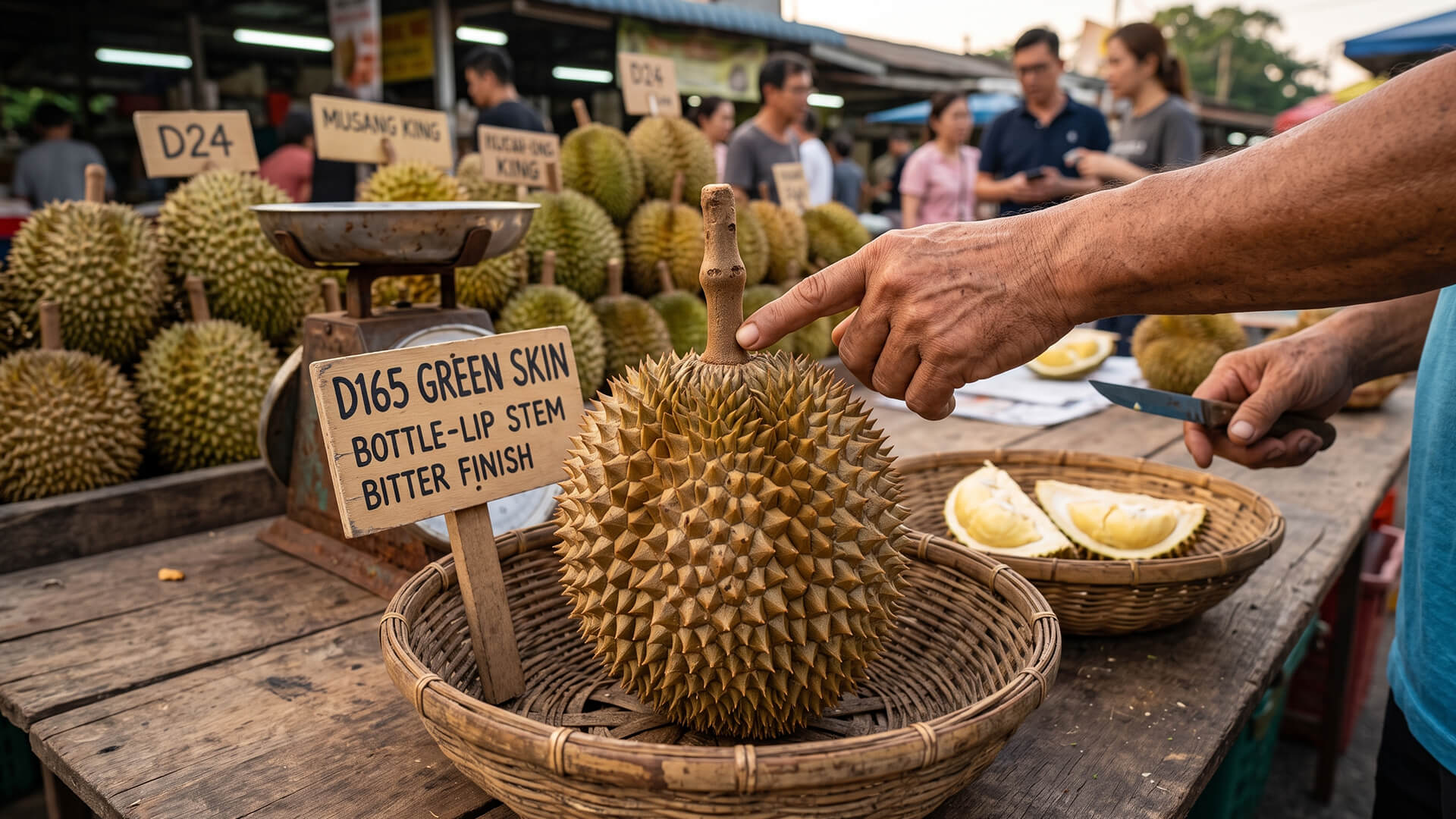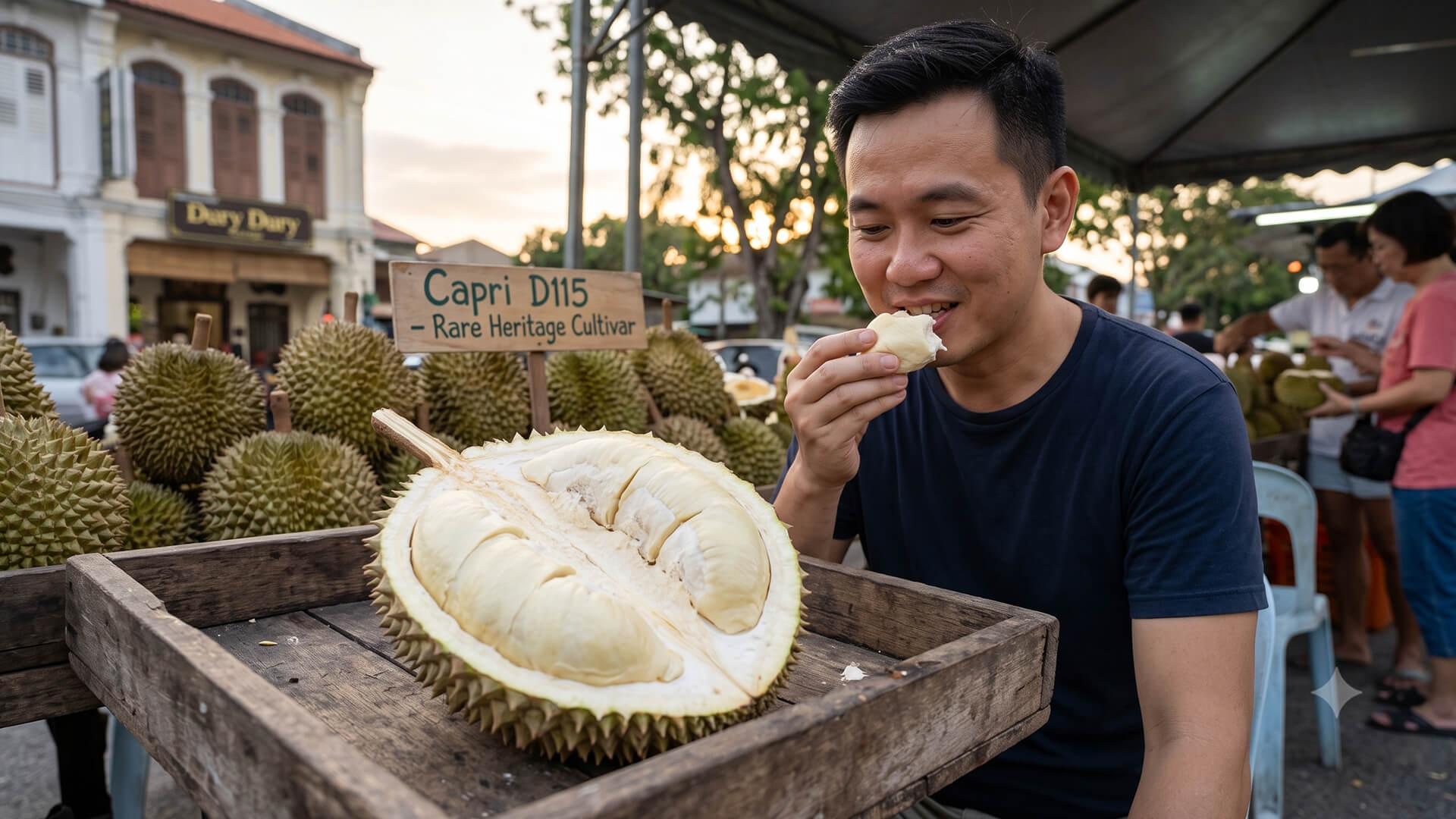
Durian is a fruit that is widely renowned for its rich flavour, creamy texture, and of course, its strong smell. As such, it is a fruit that is very commonly consumed by locals and sometimes by foreigners. However, durian is also a calorie heavy fruit, and understanding how much durian can be eaten in one sitting will be able to help individuals enjoy the fruit without exceeding daily calorie needs. Through proper portion control, it allows durian lovers to maintain a balanced diet while supporting weight management, blood sugar control, and overall health goals. By learning about calorie content, serving sizes, and personal dietary factors, individuals can make informed decisions when consuming durian.
Understanding Durian and Their Calories
Before we can discuss the durian calorie level, it is first important to understand its nutritional profile. Durian is a fruit that is packed to the brim with a mix of macronutrients. The major nutrient within the fruit is carbohydrates, which is made from natural sugars that provide quick energy. Durians also contain a notable amount of fats, which is what helps contribute to the development of its creamy texture and as such, also increase its calorie density. Dietary fiber is another nutrient in durian that supports digestion and promotes that feeling of fullness. Lastly, durian contains small amounts of protein as well as essential vitamins and minerals such as potassium and vitamin C which contribute to its nutritional value.
For around every 100 grams of durian, the average durian calorie count that is in the flesh is between 145 to 160 calories. However, calorie count will vary slightly depending on the durian variety and ripeness, though it’s expected to hover around a similar range. Compared to other fruits such as mango, pineapple, and papaya which hover between 50 to 90 calories per 100 grams, durians are nearly double in that value. However, it does not mean that durian is unhealthy, but it does highlight that portion control is important in monitoring how many calories you are consuming.
How Many Calories Are in a Typical Durian Serving?
Small Serving Size
A small serving of durian usually weighs around 50 grams, and contains between 70 to 80 calories. This makes small servings ideal for those who wish to eat durian, but also not have a high calorie intake because of it.
Standard Serving Size
A normal serving size of durian typically weighs in between 100 to 150 grams of flesh. This serving usually equates to around two to three medium-sized seeds and contains roughly 150 to 240 calories.
Large Servings
Large servings are typically weighed above 200 grams, meaning that the calorie count for large servings tend to exceed 300 calories. These servings are made mainly to be shared between multiple people instead of eating them alone.
Read the most recent article discussing the smell and taste of durian here: Why Does Durian Smell So Strong and Still Taste Amazing?
Factors That Influence Your Ideal Durian Serving Size
Age, Gender, and Activity Level
Calorie requirements vary based on demographic and lifestyle factors. Younger individuals and those with higher physical activity levels typically require more calories, allowing for slightly larger durian servings. Conversely, individuals with lower activity levels may benefit from smaller portions.
Total Daily Calorie Requirements
Durian intake should be considered within the context of total daily calorie consumption. Individuals following higher-calorie diets may accommodate moderate durian portions, while those on restricted diets should consume smaller servings to avoid exceeding calorie goals.
Existing Health Conditions (Diabetes, High Cholesterol, etc.)
Certain health conditions may influence recommended durian intake. Individuals with diabetes may need stricter portion control due to sugar content. Those managing cholesterol levels may also monitor consumption because durian contains fats, although many are beneficial fats when eaten in moderation.
Individual Metabolism and Dietary Patterns
Metabolic rate and overall dietary habits play significant roles in determining ideal portion size. Individuals with faster metabolisms or balanced, nutrient-dense diets may tolerate slightly larger servings compared to those with slower metabolic rates or high-sugar diets.
Final Thoughts on Managing Durian Calories Through Proper Portion Control
Managing durian calorie intake is largely about awareness and moderation rather than complete restriction. By understanding serving sizes, recognising personal health needs, and practising mindful eating, individuals can continue enjoying durian as part of a balanced diet. With the right approach, this beloved tropical fruit can remain both a satisfying treat and a nutritious addition to a healthy lifestyle. If you’re ready to enjoy the best durian, come on down to Dury Dury Kuala Lumpur, where we’ll offer a wide range of durian types such as 猫山王 and D24 for you to chow down.