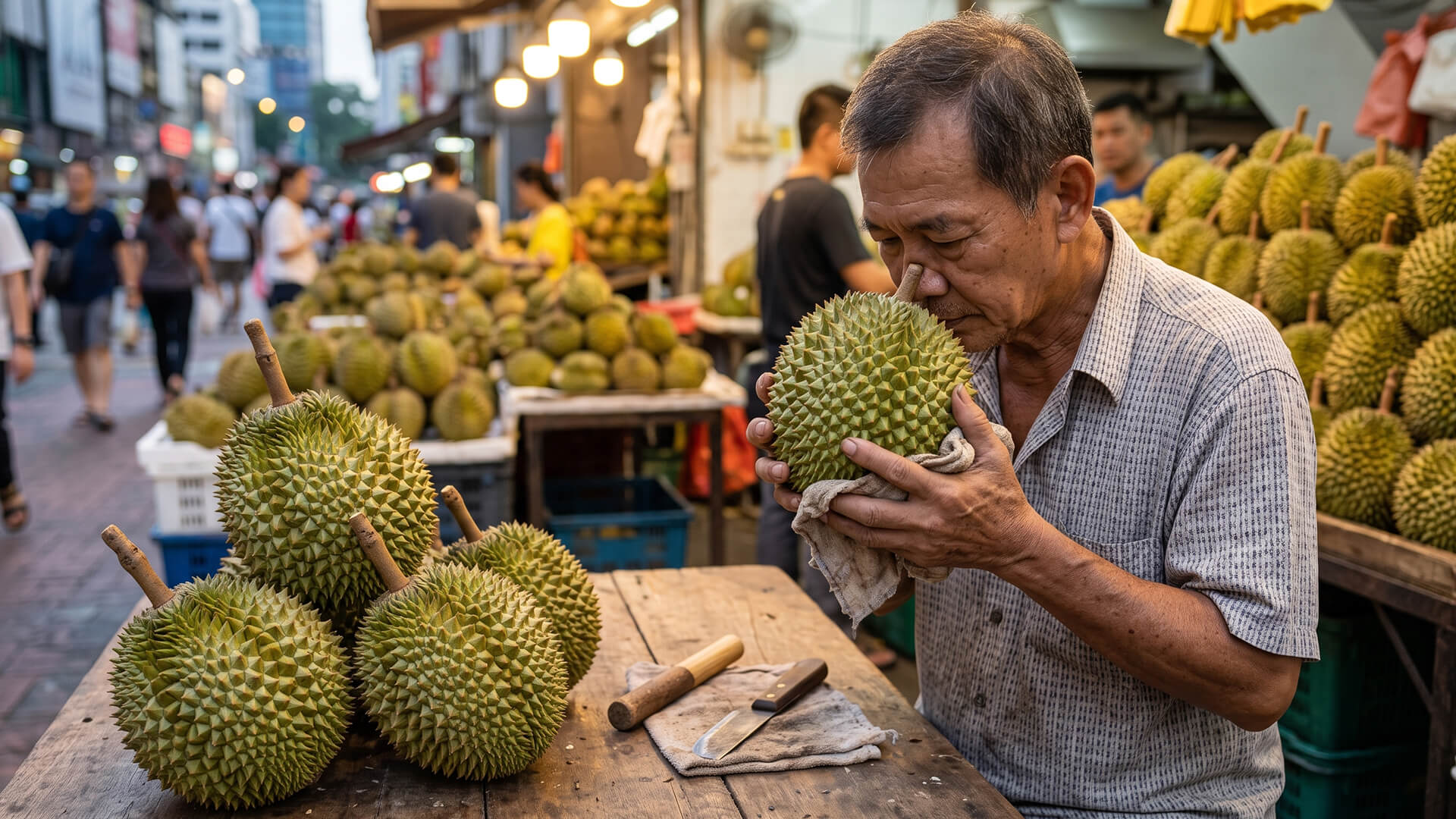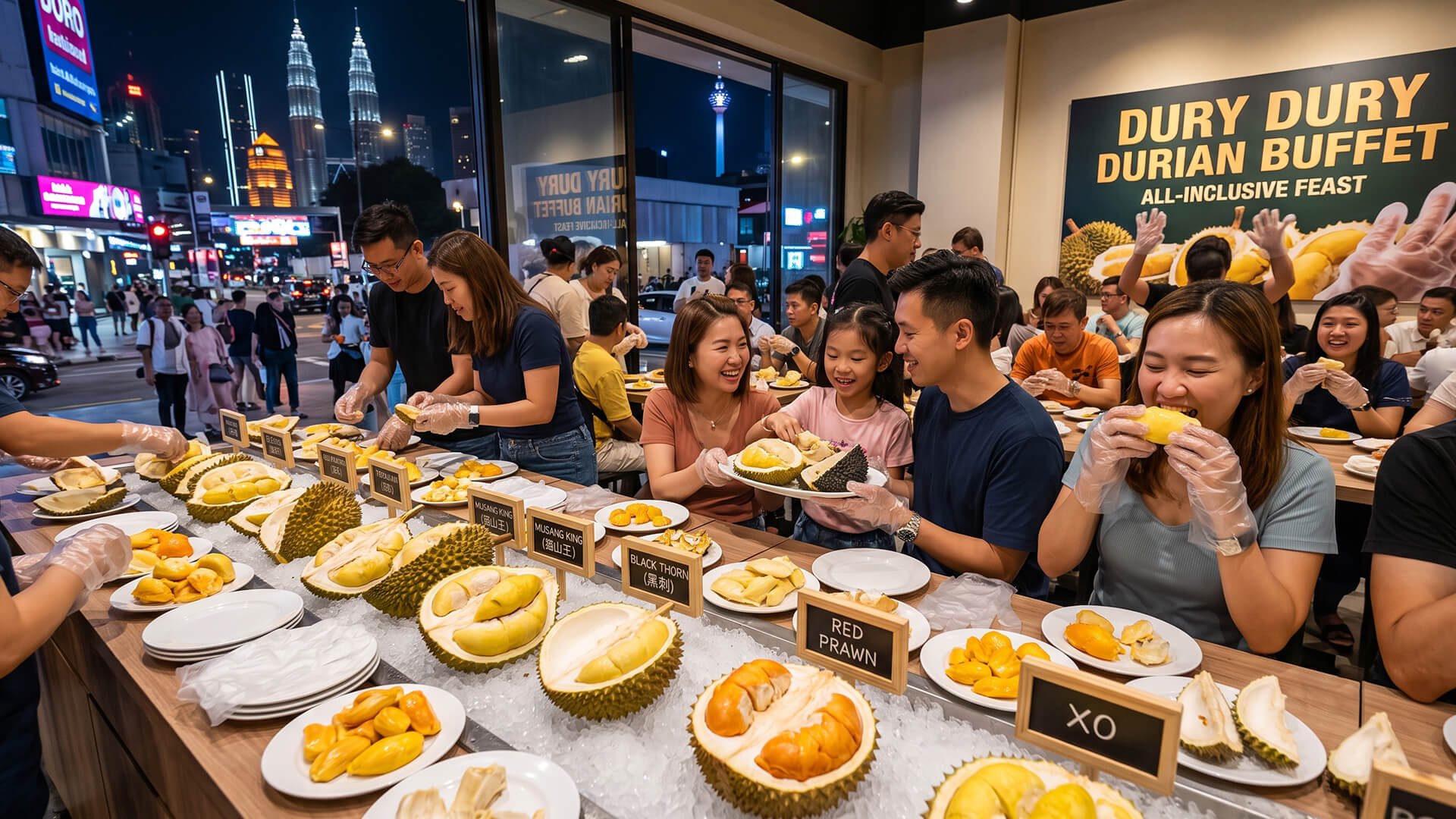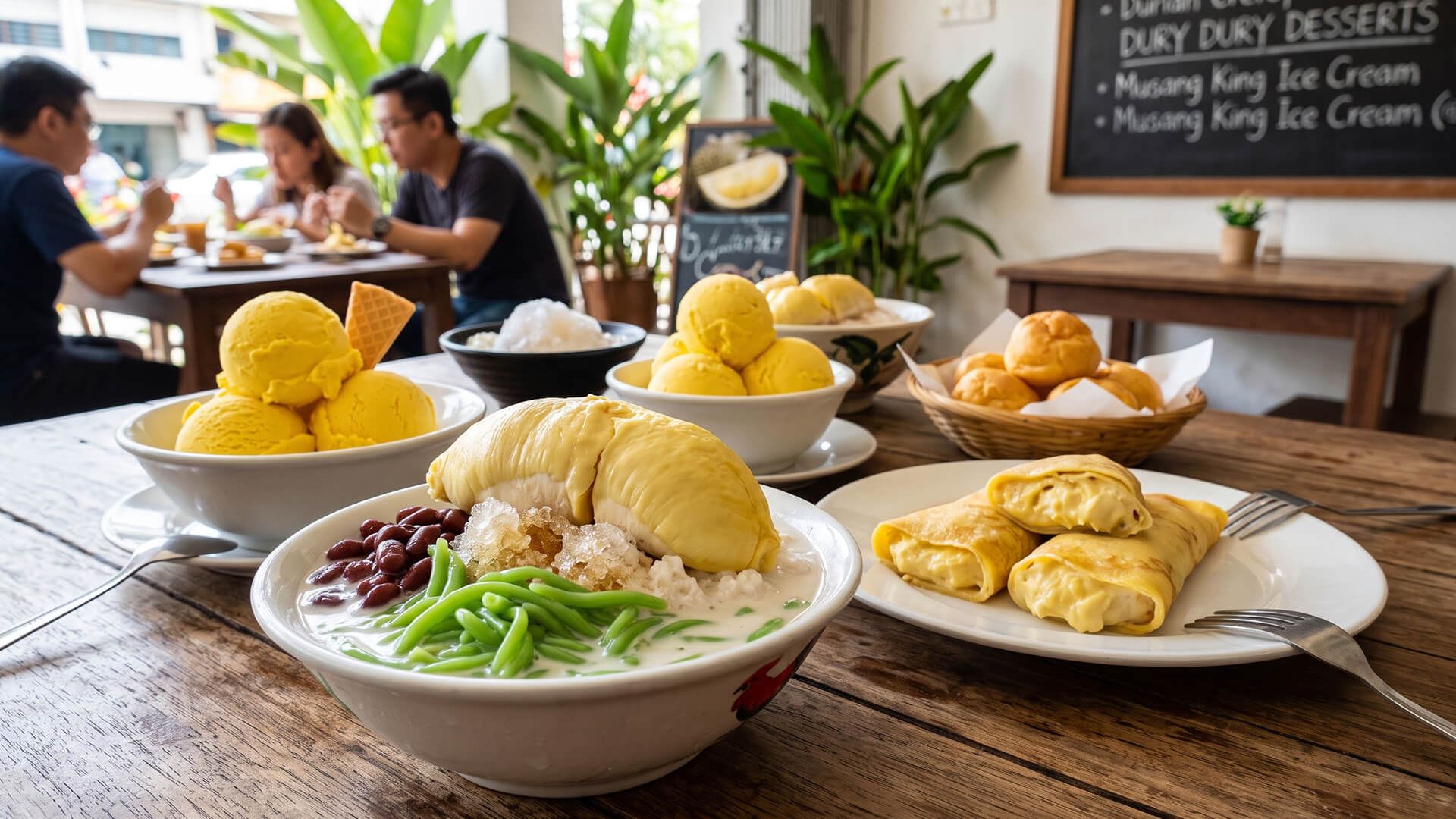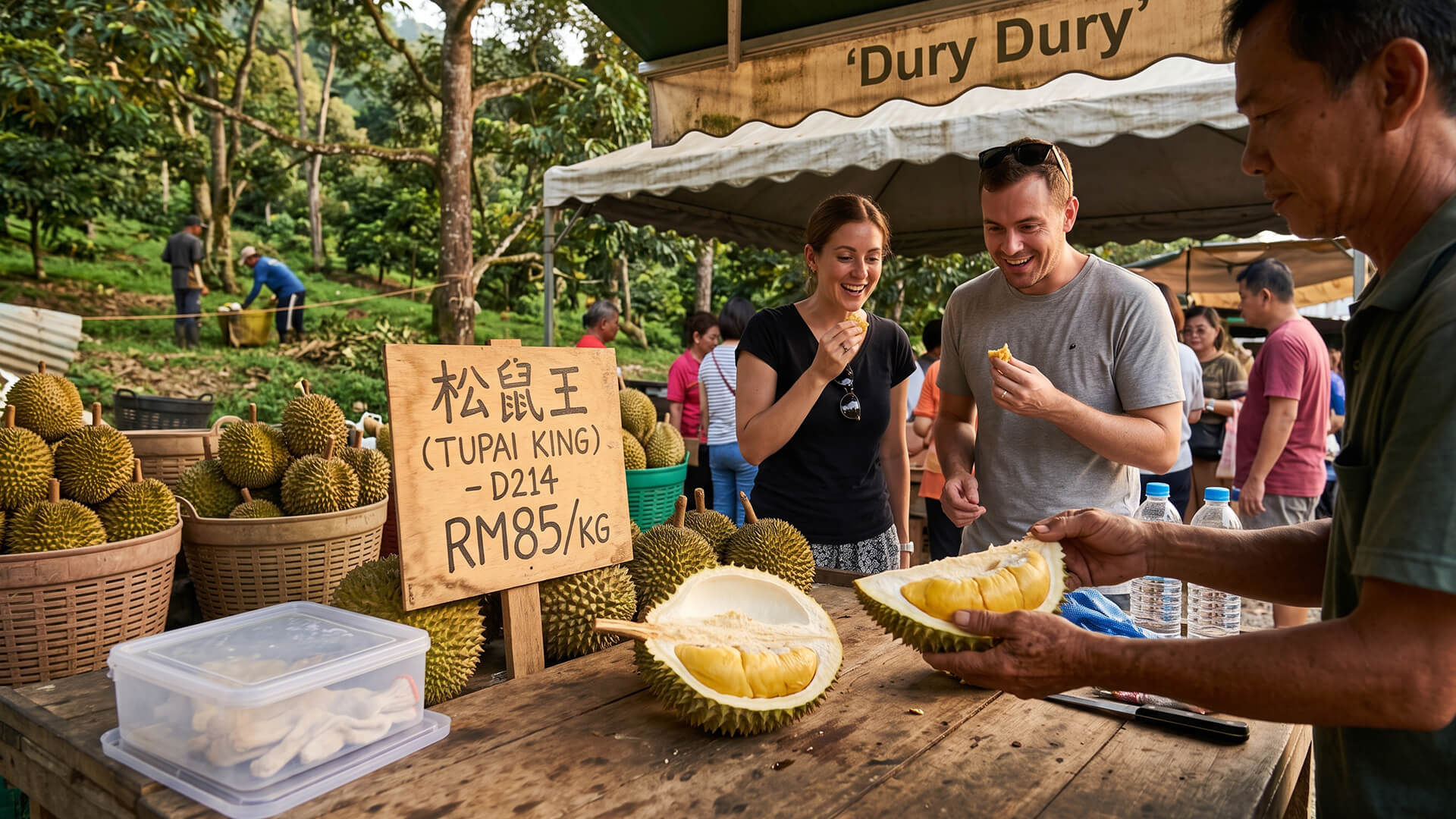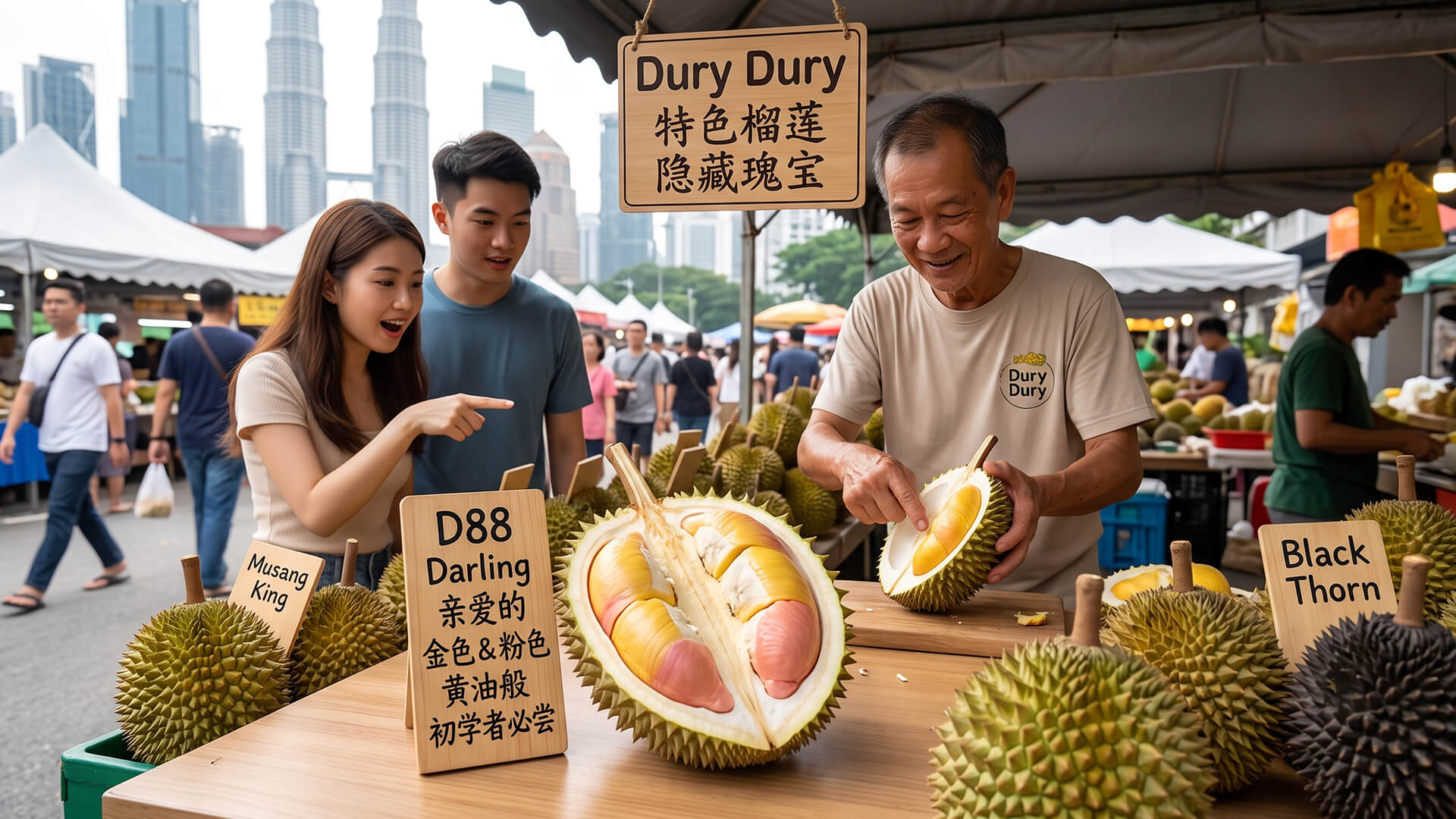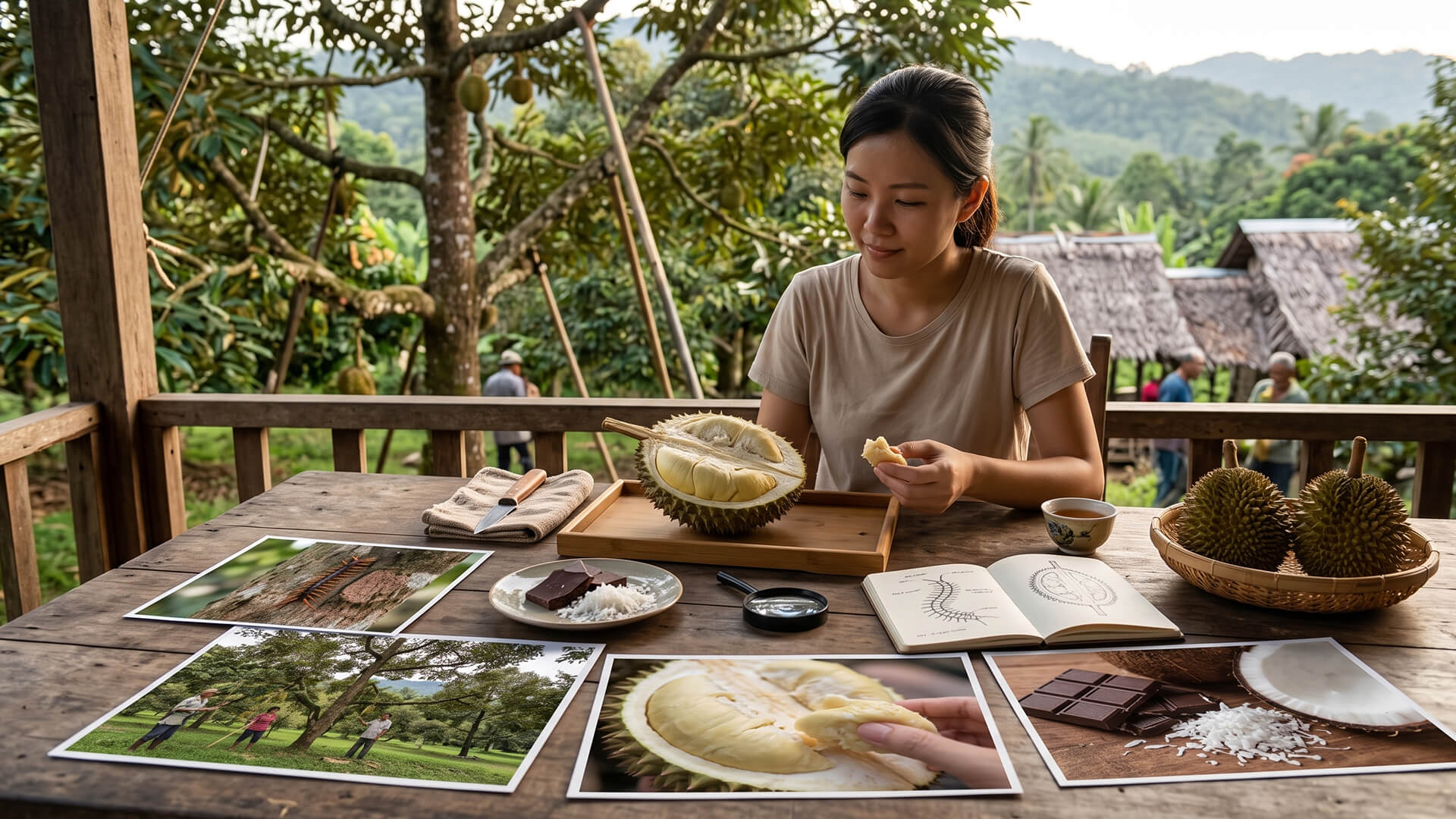
If your local durian adventures usually begin and end with Musang King or Black Thorn, no one can blame you. They are the undisputed heavyweight champions of the modern commercial durian world. But if you talk to seasoned heritage hunters in Penang with the kind who spend their weekends driving up the winding roads of Balik Pulau, they will tell you that the true magic of the King of Fruits lies in the hidden gems. Enter Durian Lipan (famously known as the Centipede Durian).
This lesser-known heirloom variety rarely makes it out of Penang, selling out to a fiercely loyal local fan club almost the moment it hits the stalls. If you are looking to expand your palate and experience a completely different side of durian history, here is everything you need to know about Durian Lipan and why it deserves a top spot on your tasting bucket list.
What's in a Name? The Mystery of the "Centipede"
First things first: despite the slightly intimidating name (Lipan translates to centipede in Malay), there are absolutely no creepy-crawlies involved in the cultivation or harvesting of this fruit!
The variety earns its name entirely from its unique physical appearance. Unlike the perfectly symmetrical, bowling-ball shape of a Musang King, a Lipan durian is distinctly slim, elongated, and slightly oblong.
But the real giveaway is the husk. The thorns on a Durian Lipan are notoriously sharp, densely packed, and point in completely chaotic, erratic directions, with many of them featuring distinctly hooked tips. When you look closely at the outer shell, these sprawling, crooked spikes mimic the frantically moving legs of a centipede.
The Flavor Profile: A Magical Culinary Paradox
When you crack open a Lipan durian, which is a task that can occasionally take a challenging, curved route along the seams, the reward inside is visually striking.
The pulp is traditionally known as Lipan Putih (White Centipede), though the color isn’t strictly white. Instead, it features a beautiful, pale ivory or soft pastel-yellow hue. The skin of the aril (the flesh surrounding the seed) is exceptionally fine and intricately wrinkled, looking almost as if it has been vacuum-wrapped tightly over the seed.
When you take a bite, the flavor profile is an absolute revelation:
The Texture
It is incredibly smooth, fine-grained, and light. Rather than the dense, heavy, peanut-butter stickiness of a vintage D24, Lipan has a delicate, airy texture that many connoisseurs compare to a premium mousse.
The Taste Notes
The Bitter Play
While sweet, creamy notes lead the charge, there is a very subtle, playful hint of bitterness hiding in the background. If you are lucky enough to catch a piece that dropped from the tree less than an hour prior, you will even experience a sharp, tongue-numbing alcoholic kick.
Because of this light, elegant, and non-cloying profile, Lipan is universally regarded as the ultimate “appetizer durian”, comparable to the perfect bottle of white wine to kick off a long, multi-course durian feast before moving on to heavier varieties.
A Quick Word on Cultivar Cousins: While hunting for Lipan, you might occasionally hear whispers of Lipan Merah or Lipan Bara. While they share the name due to similar erratic outer thorns, they aren’t actually related! Lipan Red features an orangey-red flesh with bright berry notes, but the classic, chocolate-coconut magic belongs strictly to the traditional pale-fleshed Lipan.
Why Is It So Hard to Find?
If Durian Lipan tastes like a dream, why isn’t it available at every roadside stall in Kuala Lumpur? There are a couple of structural reasons that make this variety a rare luxury:
1. A Blink-and-You-Miss-It Season
Lipan is an “early bird” cultivar. Along with its seasonal sibling, the D604, Lipan trees are usually among the very first to drop their fruits at the start of the Penang durian season (typically around late May or early June). Because the trees drop their fruit rapidly, the entire harvest window is incredibly short, which often lasts only 10 to 14 days maximum. If you aren’t paying attention, the season will start and finish before you even realize it.
2. Hyper-Local Supply
Lipan is a proud Penang native, rooted deeply in the old orchards of Balik Pulau. Because the local demand within Penang is so massive, orchards rarely see a reason to transport these delicate fruits across state lines. The small-to-medium-sized fruits sell out locally faster than you can say Lipan!
The Verdict: Why It Deserves Your Attention
The modern durian industry is increasingly leaning toward a monoculture, with young orchards heavily prioritizing massive commercial clones for export. While we love a premium Musang King, there is an irreplaceable charm in preserving and celebrating our unique heritage varieties.
Trying a Durian Lipan is a reminder of what makes Malaysian durian culture so special: the diversity of flavor, the historical depth of our old trees, and the thrill of the hunt. It offers a sophisticated, elegant flavor profile that challenges what you think a durian can taste like.