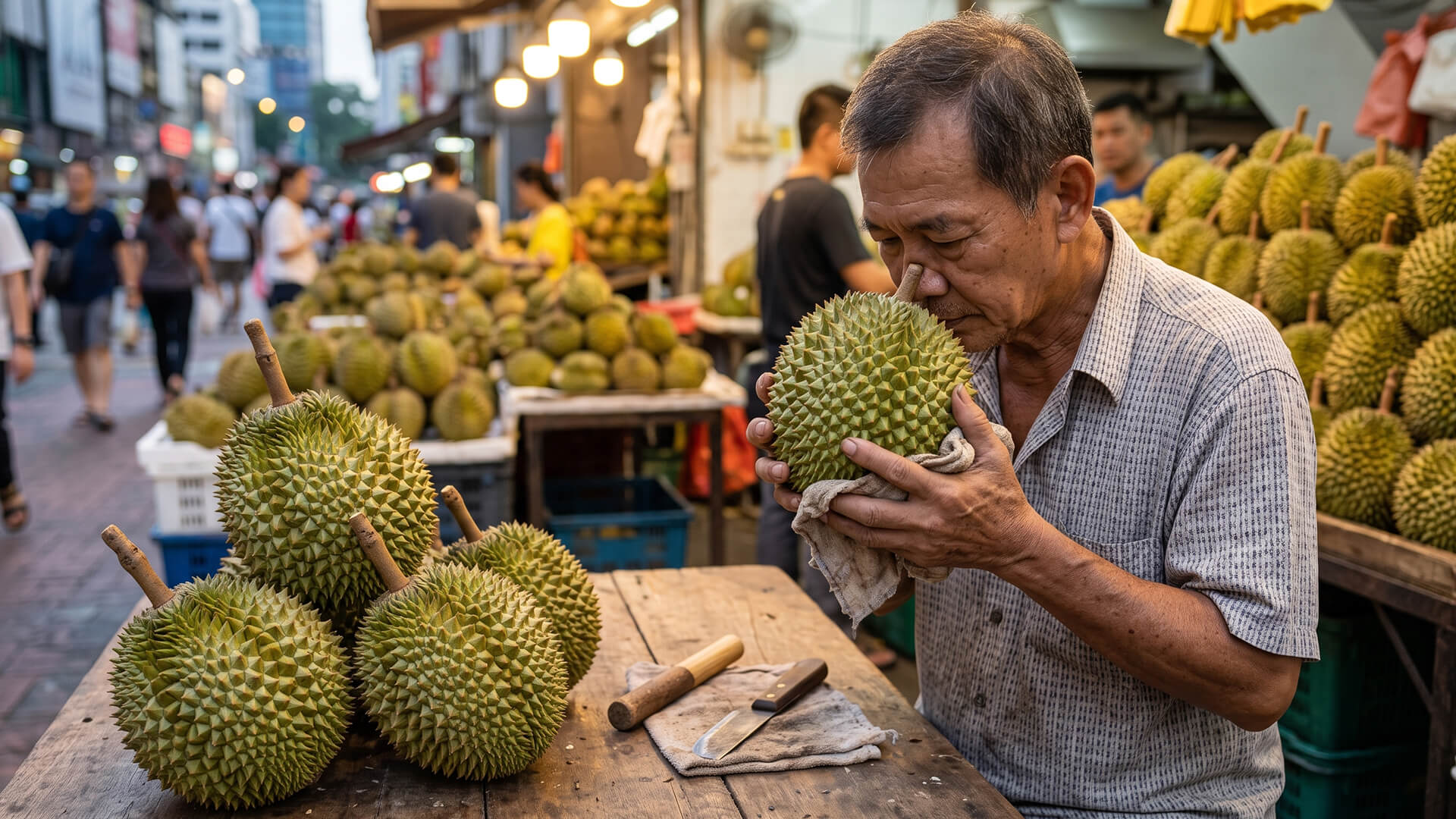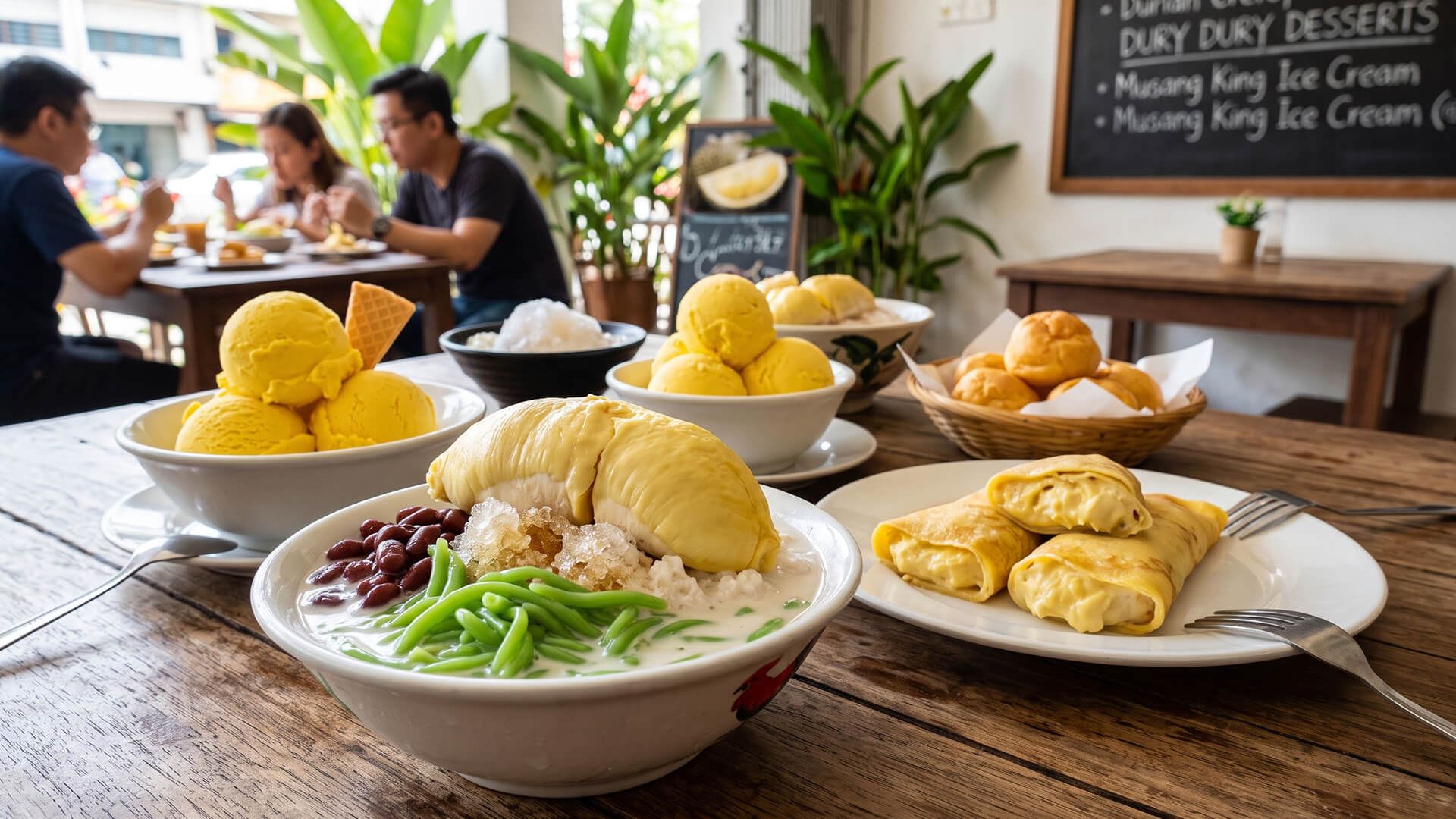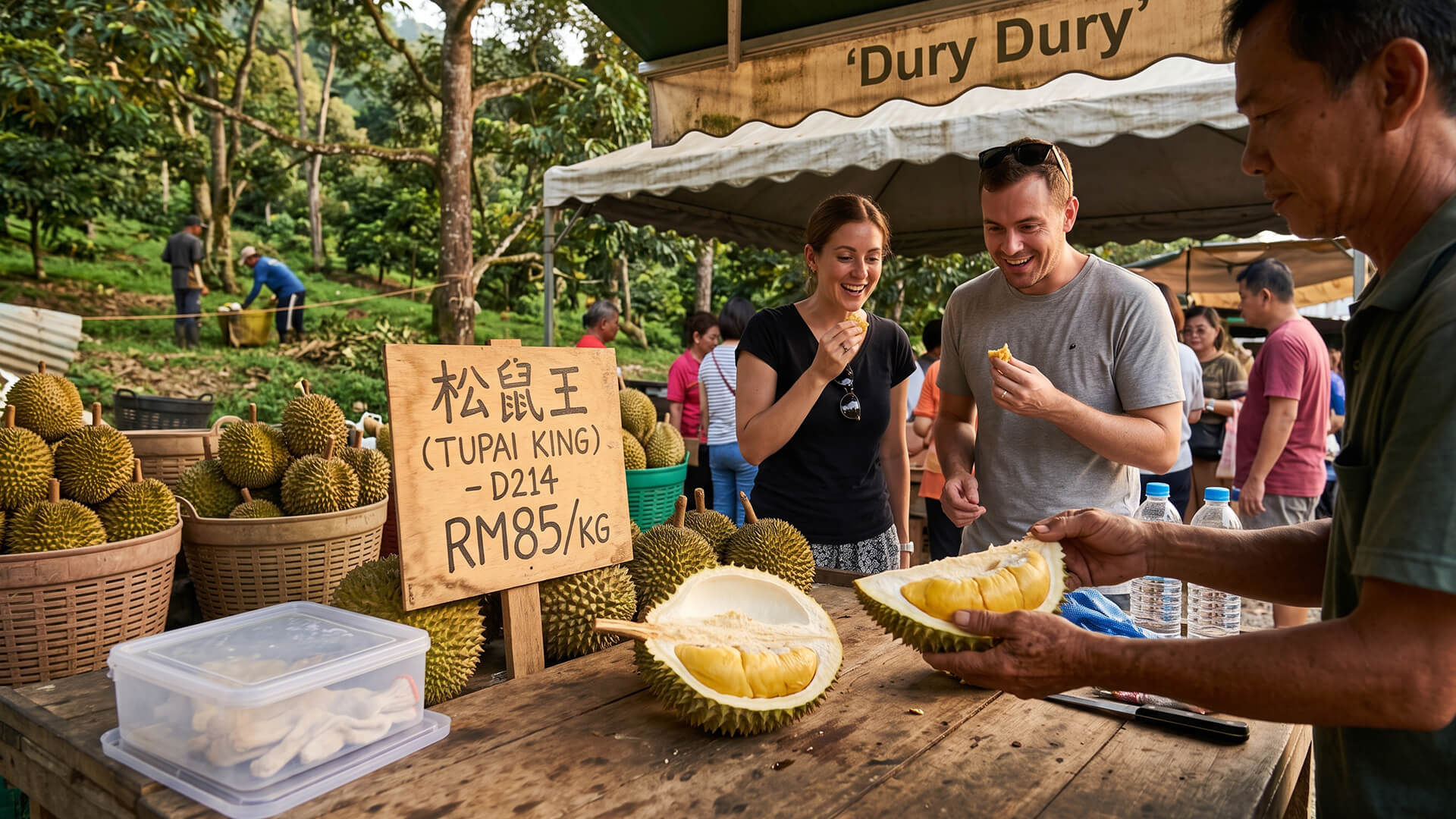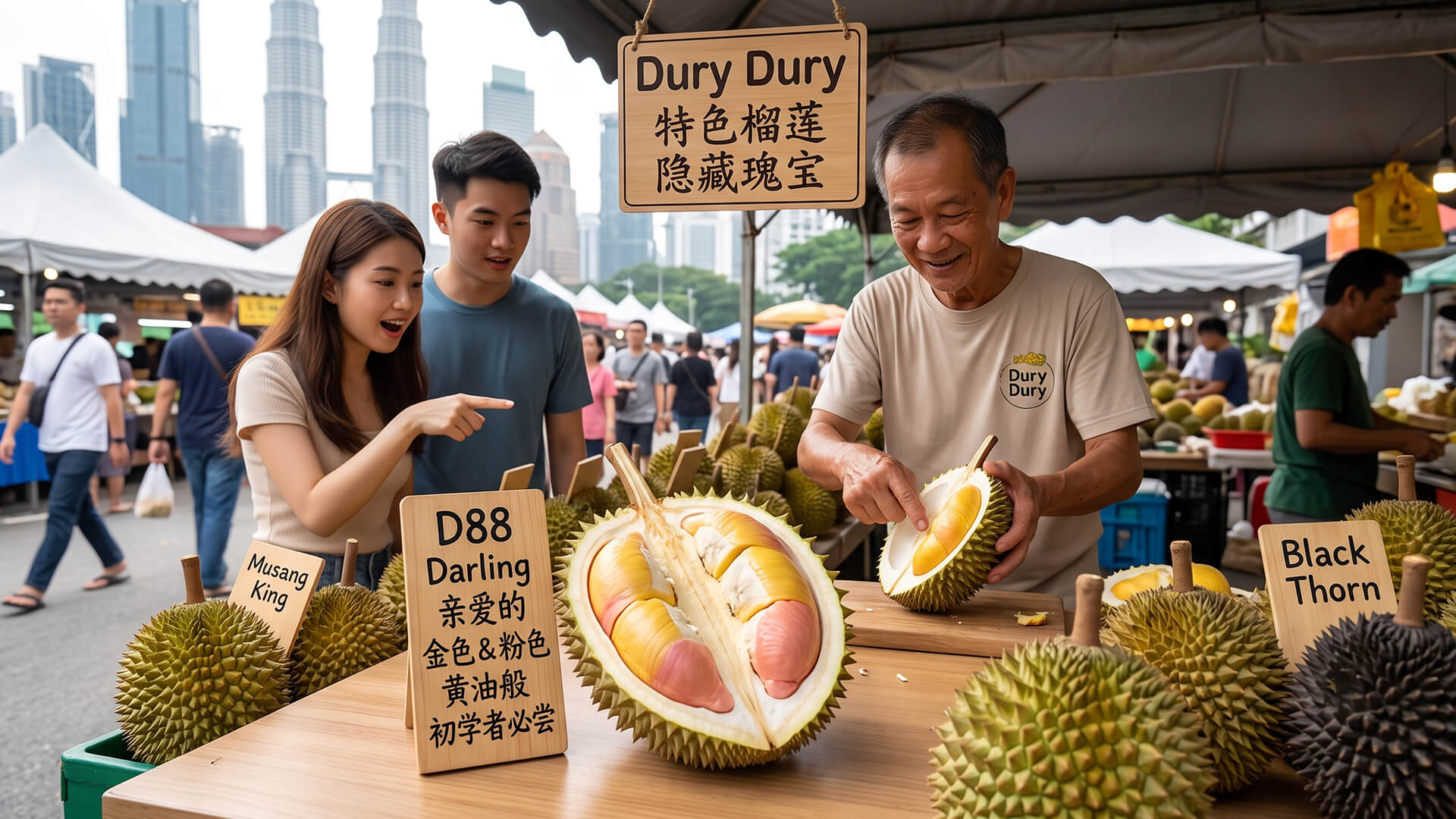
In Malaysia, durian is often hailed as the “King of Fruits”, and is beloved for its rich, creamy texture and distinct aroma. Not only is it available all year round (although there’s going to be distinctions in the types of durians available), but it’s also easy to find, whether through finding chilled packs at your local supermarket or enjoying whole durians at durian restaurants. However, which of the two would give you the best durian? This article will help you make your decision!
What Quality is Judged When Considering What is 'Best'?
There are several qualities that are looked at when judging durians for being ‘the best’. This includes:-
- Ripeness – A durian must be at the optimal stage of ripeness. Underripe durians are hard, less flavorful, and can taste bland; overripe durians can be mushy or taste fermented. The “best” durian hits that perfect balance where the flesh is creamy but firm, and the flavor is fully developed.
- Flavor and Sweetness – Different varieties have different flavor profiles, but the best durians have rich, complex, and naturally sweet flavors without bitterness or off-notes. Musang King, for example, is prized for its bittersweet, custardy taste.
- Aroma – The smell is a hallmark of quality. A fresh, high-quality durian has a strong, inviting aroma that signals ripeness without being overpowering or fermented.
- Texture – The flesh should be creamy, buttery, and smooth, with a slight firmness. Overripe durians become watery or mushy, while underripe ones are dry or tough.
- Consistency – Top-quality durians offer uniformity in flesh color, size, and taste across the fruit. Premium sellers and restaurants prioritize this to ensure every portion meets expectations.
- Appearance of the Husk and Flesh – A good durian has a healthy, intact shell without mold or excessive cracking. The flesh should have a vibrant color typical of its variety and be free from discoloration or blemishes.
Buying Durian from Supermarkets
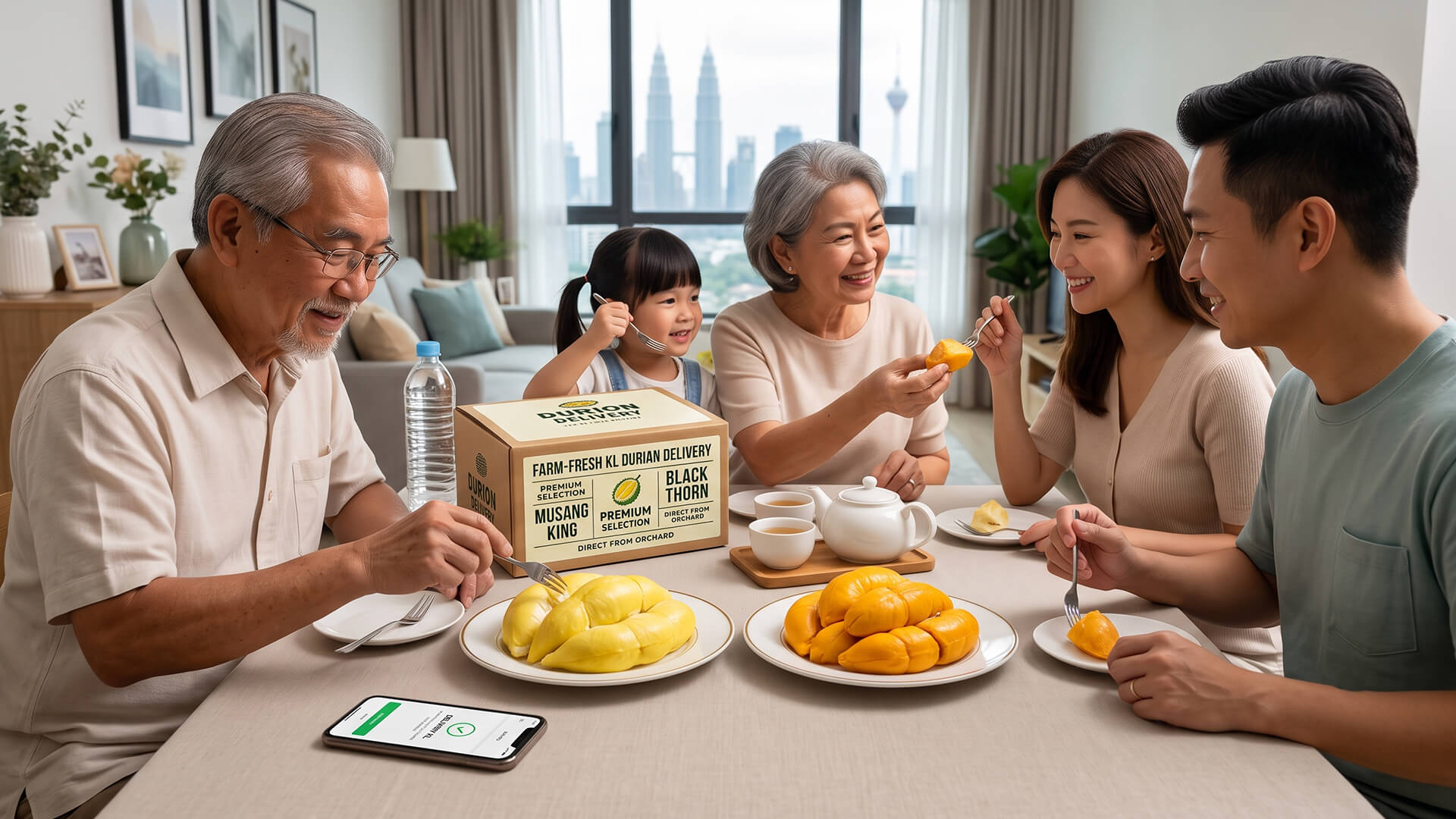
Supermarkets typically source durians from wholesalers or importers who supply fruits in bulk, often harvesting them slightly early to accommodate transport and shelf life. Some supermarkets also partner with local farms for seasonal varieties, but the primary focus is on consistent availability rather than peak freshness. They commonly stock popular and reliable varieties such as Musang King, D24, and Black Thorn, which appeal to a broad range of consumers, while specialty or rare types are less frequently offered. Although convenient, supermarket durians may not always be at their freshest, as transport, storage, and shelf-ripening practices can affect ripeness, flavor, and overall quality, resulting in occasional inconsistencies.
Buying Durian from Supermarkets
Durian restaurants carefully select their fruits directly from farms or trusted suppliers, often choosing durians harvested at the optimal stage of ripeness to ensure the best flavor and texture, with staff inspecting size, smell, and shell condition for quality. Many restaurants follow farm-to-table practices, minimizing the time between harvest and consumption by sourcing locally and scheduling deliveries carefully, which allows them to serve durians that are fresher and more flavorful than those stored for days in supermarkets. They typically offer both popular varieties and premium or rare options, such as Musang King, Black Thorn, and D13, giving customers the chance to enjoy durians at their peak without concerns about ripeness or selection.
Durians at Supermarkets vs Restaurants: What’s The Difference?
Freshness Comparison
One of the biggest differences between supermarket and restaurant durians is freshness. Supermarket durians often spend several days in transport, storage, and on shelves before reaching consumers, which can affect ripeness and flavor. In contrast, durian restaurants prioritize rapid sourcing from farms and trusted suppliers, often serving fruits within a day of harvest. This shorter harvest-to-consumer window means restaurant durians are typically fresher, with a more consistent and desirable ripeness.
Taste, Aroma, and Texture Differences
The differences in freshness directly influence taste, aroma, and texture. Restaurant durians tend to have a stronger, more inviting aroma, a creamier and richer texture, and a fuller, more complex flavor profile. Supermarket durians, while convenient, can sometimes lack intensity in aroma and sweetness due to storage and ripening delays. For true durian enthusiasts, these sensory differences can make the restaurant experience noticeably superior.
Convenience vs Dining Experience / Durian Buffets
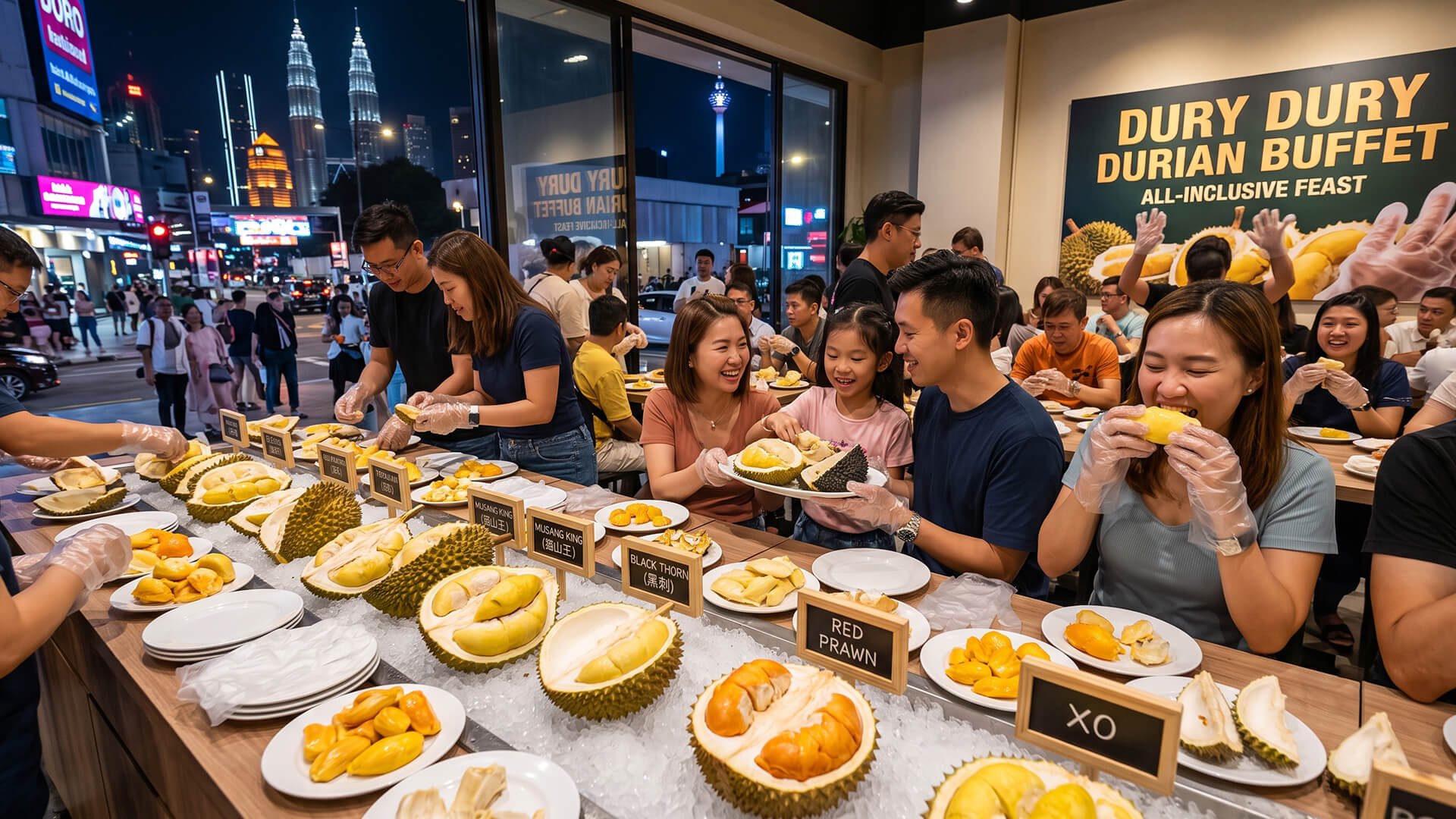
Supermarkets win in convenience, offering easy access, extended hours, and the ability to take durians home at any time. Restaurants, however, provide an immersive dining experience: freshly opened durians, staff guidance on the best way to enjoy each variety, and opportunities for tasting multiple types in one visit. Some restaurants even offer durian buffets or group-sharing platters, turning durian consumption into a social and interactive experience that supermarkets simply cannot replicate.
Final Verdict: Where To Get the Freshest Durian
While supermarkets provide convenience and accessibility, durian restaurants generally offer fresher, higher-quality fruits with superior flavor, texture, and aroma. For casual snacking, supermarkets suffice, but for those seeking the ultimate durian experience, restaurants and specialty outlets remain unmatched. When it comes to freshness, taste, and a memorable durian encounter, the restaurant route is usually the winner. When it comes to durian restaurants in KL, Dury Dury is ready to serve, with top-quality durians such as Black Thorn and Musang King sourced straight out of our farm, ready for durian lovers to enjoy